
Jump to the main content block

About MCUT

 
1963
Ming Chi University of Technology

About MCUT ABOUT MCUT

 
Since its founding in 1963, Ming Chi University of Technology has upheld the educational philosophy of “seeking the root of truth and striving for excellence.” We integrate sustainable development into teaching, research, campus governance, and social practice, using the United Nations Sustainable Development Goals (SDGs) as a guiding framework to build an innovative, responsible, and impactful sustainable campus.

Through interdisciplinary talent development, distinctive research, industry–academia collaboration, and community engagement, MCUT advances environmental protection, social responsibility, and sound governance. We cultivate a new generation with global perspectives, professional expertise, and sustainability literacy, fulfilling our long-term commitment to society and global sustainable development.
 

MCUT at a Glance

Founded in 1963, Ming Chi University of Technology has advanced technical and vocational education for more than six decades. By recruiting outstanding researchers, integrating campus research teams, and connecting its innovation incubation center with nearby industry clusters, MCUT has built a regional industry–academia platform and educated more than 35,000 alumni.

Institutional Scale
+
Years Since Founding
 
Since 1963, MCUT has been dedicated to technical and vocational education for more than six decades, continually developing professionals needed by industry.
YEARS
62ha
Campus Environment
 
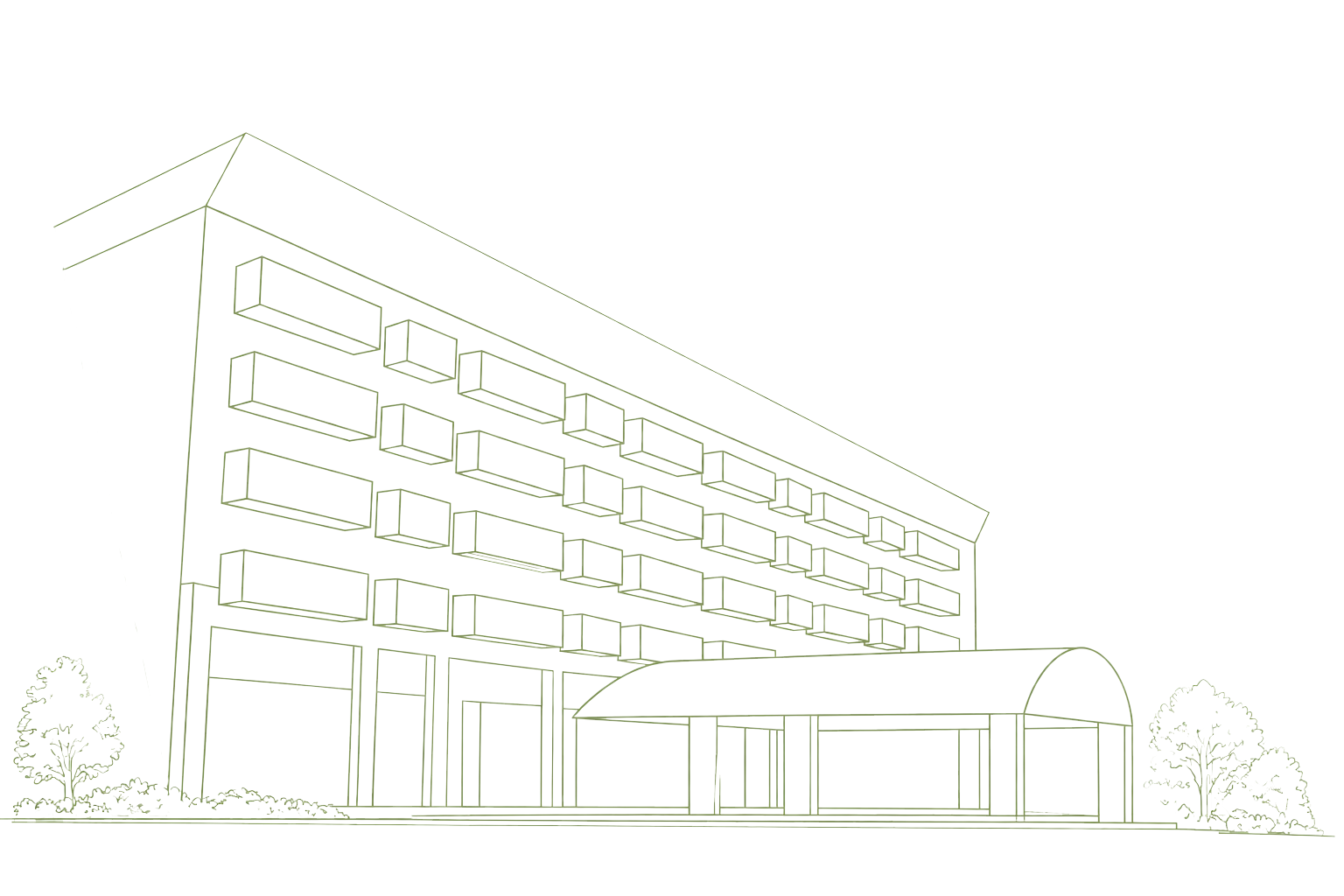
Our 62-hectare campus includes well-equipped academic buildings, student residences, and faculty and staff housing, creating a high-quality learning environment.
CAMPUS
K+
Learning Resources
 
The library holds more than 140,000 volumes, provides access to 31 electronic databases, and supports 47 student clubs.
LIBRARY
172+
Industry Collaboration
 
Partnerships with more than 172 companies provide students with internship, employment, and industry–academia collaboration opportunities.
INDUSTRY
Teaching and Research
3
Three Colleges
 
The Colleges of Engineering, Environment and Resources, and Management and Design form an interdisciplinary talent-development system.
COLLEGES
10
Ten Departments
 
Programs span diverse professional fields, including engineering, energy, environment, management, and design.
DEPARTMENTS
11
Graduate Programs
 
We continue to strengthen research capacity, combine it with industry collaboration, and advance innovative R&D outcomes.
GRADUATE
10+
Research Centers
 
MCUT offers three doctoral programs, a university-level General Education Center, and ten distinctive research centers.
RESEARCH
 

History

Since its founding, Ming Chi University of Technology has continuously enhanced educational quality, evolving from an industrial junior college into a university of technology that integrates teaching, research, industry collaboration, and sustainable development.

1963
1999
2004
2013
2019
1963
Ming Chi Industrial Junior College Founded
 
Founder Mr. Y. C. Wang established Ming Chi Industrial Junior College in the spirit of “diligence and simplicity.” He instituted residential education for all students, work-study practical training, and character education, establishing the institution’s defining practical approach to education.
1999
Reorganized as Ming Chi Institute of Technology
 
With approval from the Ministry of Education, the institution was reorganized, expanding its scale and research capacity while strengthening its distinctive technical and vocational education and talent development.
2004
Renamed Ming Chi University of Technology
 
The institution was formally renamed Ming Chi University of Technology, actively advancing teaching excellence, research innovation, and international exchange, and establishing its comprehensive direction as a university of technology.
2013
Deepening Industry Collaboration and Research Development
 
Focusing on key areas such as green energy, biomedicine, smart manufacturing, and sustainable development, MCUT established university-level research centers and continues to strengthen R&D capacity and industry connections.
2019
Advancing ESG and SDG Governance
 
Integrating the Sustainable Development Goals into university governance, teaching, research, and social practice, MCUT builds a sustainable campus that creates environmental, social, and governance value.
 

Educational Features

Through a comprehensive educational system, practice-oriented teaching, and industry collaboration, MCUT has developed a talent-development model that integrates professional competence, humanistic literacy, social responsibility, and sustainable thinking.

RESIDENTIAL EDUCATION
Residential Education
 
Residential life fosters self-discipline, teamwork, and life education, nurturing character and responsibility while creating a campus culture of shared learning and mutual growth.
PRACTICAL TRAINING
Practical Training
 
We put the philosophy of “learning by doing and doing by learning” into practice, connecting theory and application to strengthen students’ professional skills and future workplace competitiveness.
HOLISTIC EDUCATION
Holistic Education
 
We emphasize professional knowledge, humanistic literacy, character education, and global perspectives, developing people with lifelong-learning ability and a spirit of social care.
INDUSTRY COLLABORATION
Industry Collaboration
 
By integrating corporate resources, research capacity, and talent development, we deepen industry–academia collaboration, strengthen technological R&D and social impact, and create partnership models that grow alongside industry.
 

Academic Units

Ming Chi University of Technology comprises three colleges and a General Education Center, integrating teaching, research, industry collaboration, and international exchange to develop people with interdisciplinary capabilities and sustainability literacy.

ENGINEERING
Engineering
 
Focuses on smart manufacturing, materials technology, automation, and energy, developing professionals with engineering design, innovative R&D, and interdisciplinary integration capabilities.
  • Department of Mechanical Engineering
  • Department of Electrical Engineering
  • Department of Electronic Engineering
  • Department of Chemical Engineering
  • Department of Materials Engineering
ENVIRONMENT
Environment & Resources
 
Advances sustainable environments, energy technology, and the circular economy, developing people with capabilities in environmental protection, resource management, and sustainable development.
  • Department of Environmental and Safety Health Engineering
  • Department of Biotechnology
MANAGEMENT&DESIGN
Management & Design
 
Integrates management, digital technology, and innovative design, developing professionals with capabilities in business management, brand design, and interdisciplinary integration.
  • Department of Industrial Design
  • Department of Information Management
  • Department of Business and Management
GENERAL EDUCATION CENTER
General Education Center
 
Centered on holistic education, the Center offers interdisciplinary courses in humanities, arts, society, natural sciences, and sustainability, developing students’ critical thinking, social care, global perspectives, and lifelong-learning abilities.
  • Foundational General Education Courses
  • Humanities and Arts
  • Society and Civic Literacy
  • Natural Sciences and Sustainable Development
  • Interdisciplinary Self-Directed Learning