


 WATER
WATERSupply, recovery & treatment
Public water supply, rainwater recovery and wastewater treatment work together to improve water resilience and quality management.
RESOURCE STEWARDSHIP
From water stewardship and wastewater treatment to waste reduction and laboratory liquid-waste management, Ming Chi University of Technology uses systems, facilities and everyday practice to keep campus resources in responsible circulation.
Water and waste are central resource flows in daily campus operations. Reduction at source, collection, treatment monitoring and reuse planning embed environmental impacts in institutional management.
WATERPublic water supply, rainwater recovery and wastewater treatment work together to improve water resilience and quality management.
 CIRCULARITY
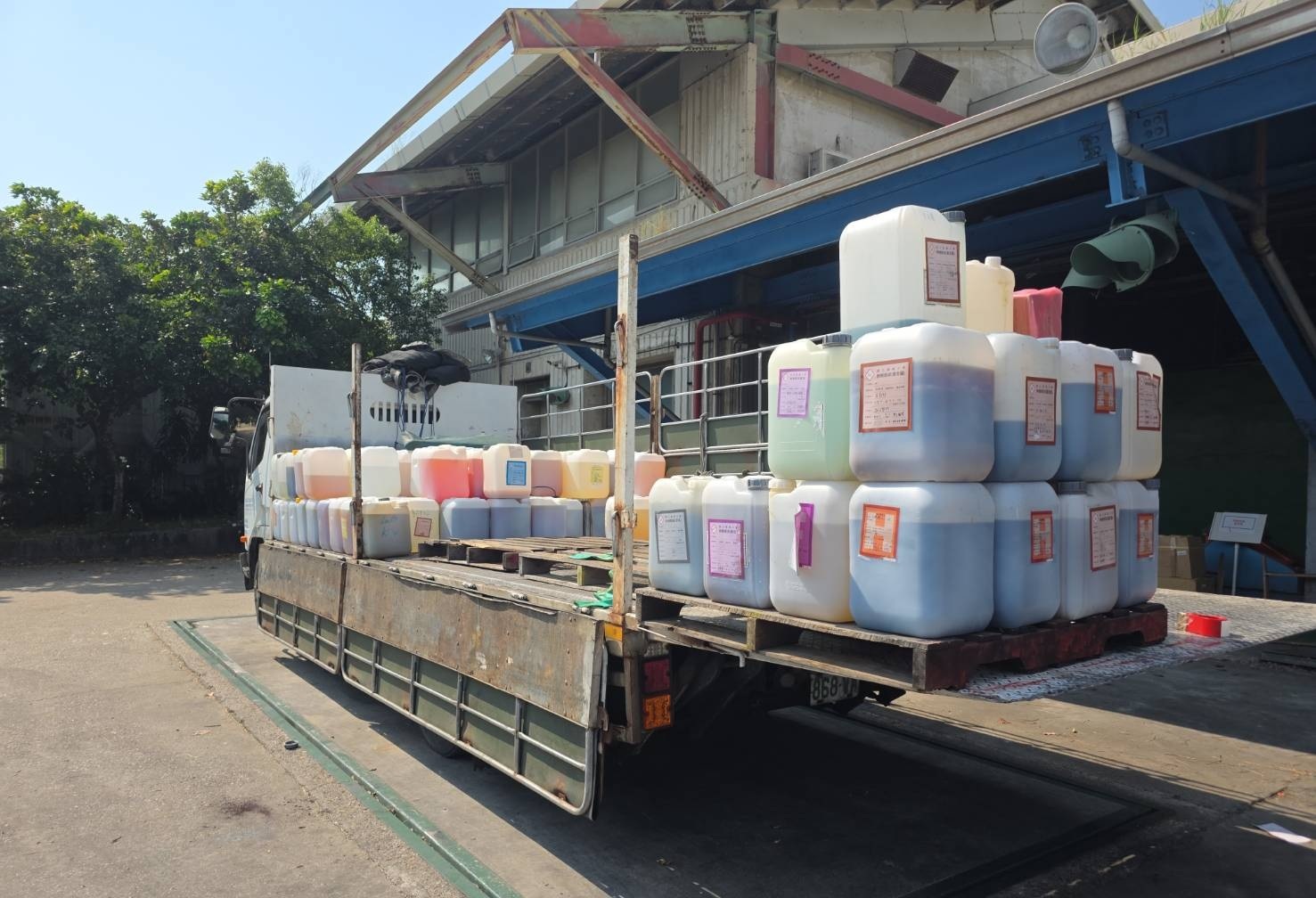
General waste, food waste, recyclables and laboratory liquid waste are managed safely and traceably according to their characteristics.
 GOVERNANCE
Routine testing, facility maintenance and environmental management systems support more efficient resource use.
Reliable supply, wastewater treatment and non-potable water recovery are managed as one connected campus system.
Since 2021, drinking, sanitary and irrigation water has been supplied by the public water utility, replacing groundwater use.
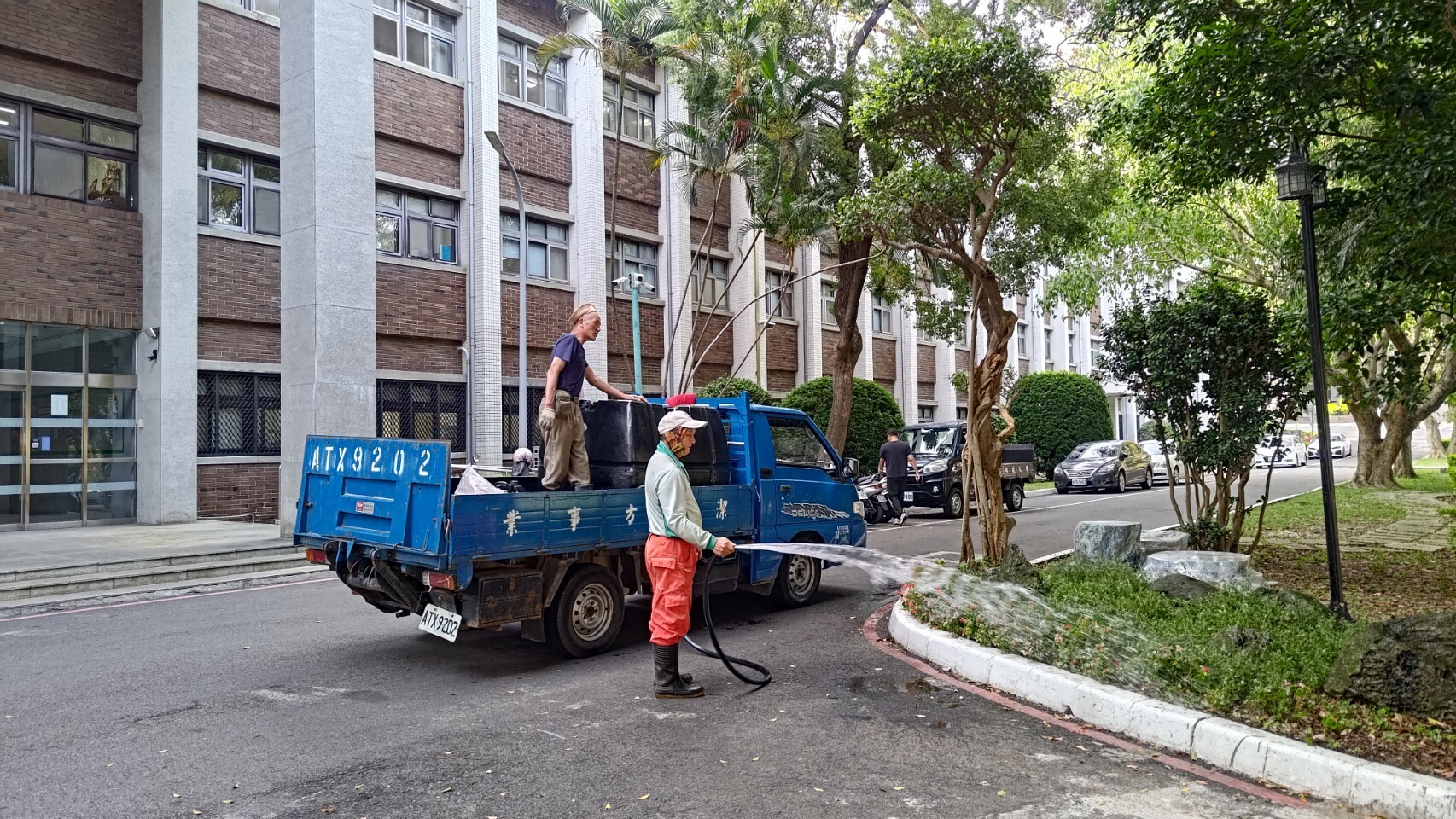
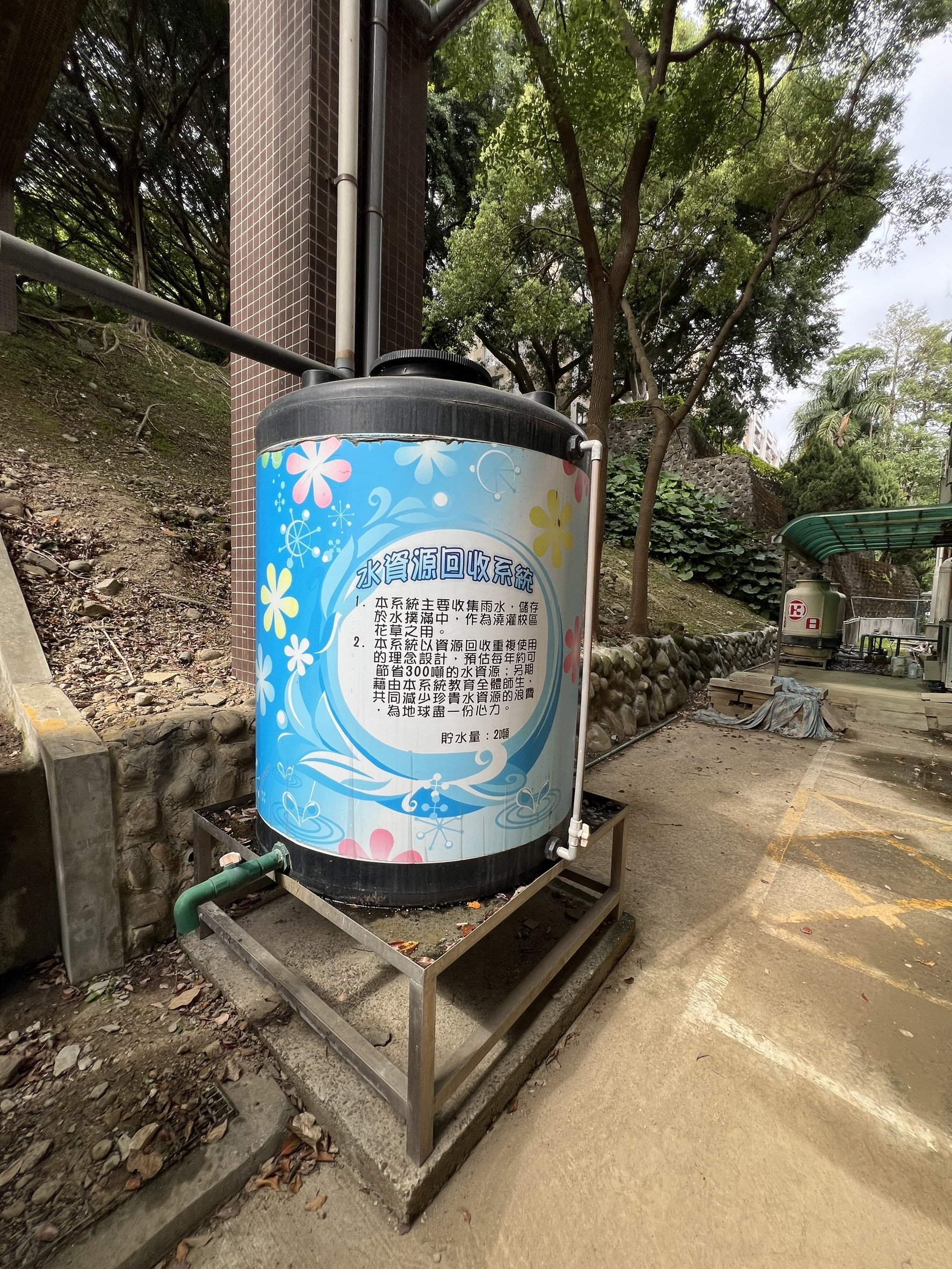
In 2024, MCUT completed a rainwater recovery project with catchment and pre-filtration, storage, water-level monitoring, pumps and scheduled controls for landscape irrigation.

Plants at the Main Building, Gymnasium and Innovation Building have approved capacities of 288, 240 and 224 tonnes per day. Third-party testing is conducted every six months; all 2025 results complied with applicable standards.
Select a year to compare key indicators.
Separation, recycling, food-waste recovery and controlled laboratory-waste handling reduce environmental impact while protecting campus safety.
MCUT enforces waste separation, reduction and recycling under its recycling-revenue management and incentive policy. Non-recyclables are regularly sent for incineration; recycling revenue supports recycling facilities and campus cleanliness awards.
Under waste-cleanup and toxic-substance regulations, the campus hazardous-waste control system tracks quantities and destinations of laboratory liquid waste while promoting source reduction and chemical redistribution.
Environmental risks, facility upgrades and changes in water use are tracked as part of day-to-day campus operations.
MCUT completed payment and environmental training associated with a Water Pollution Control Act penalty, strengthened construction-site management, and continues to prevent recurrence.
Procurement for campus water-pipeline replacement has been completed, with staged construction planned for summer 2026. Rainwater recovery for landscape irrigation will continue to expand.
Total water use rose from 317.89 to 437.62 million litres between 2023 and 2025. Pipeline repair and renewal remain a priority for reducing losses and water-use intensity.