Campus Water Protection
through Chemical Management and Treatment
Environmental Protection and Safety Office
MCUT supports SDG 6, Clean Water and Sanitation, through a comprehensive system for chemical management, temporary waste-liquid storage and wastewater treatment. These measures protect campus water quality from pollution prevention at the source to treatment before discharge, allowing teaching and research to develop alongside environmental sustainability.
and safe laboratory practices
and professional collection
before discharge
Campus Water Protection through Chemical Management and Treatment
The university’s Chemical Management System records laboratory chemical purchases, use, storage and movements on a digital platform. Real-time inventory and safety information help prevent excessive purchasing and prolonged storage, reducing the risk of leaks and pollution. Regular stocktaking and training strengthen the responsibility of faculty and students for safe chemical use and correct waste classification.
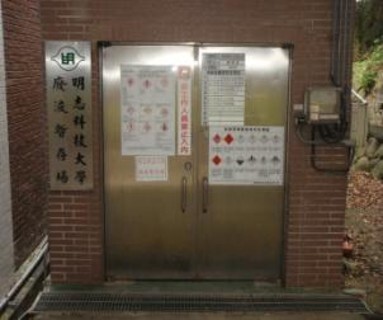
A designated temporary storage facility receives laboratory waste liquids, which must be classified by their properties, clearly labelled and collected for storage. Discharge into ordinary drains is strictly prohibited. The facility provides leak prevention, protection from rain and adequate ventilation. Qualified contractors regularly remove and treat the waste in accordance with applicable regulations, preventing hazardous substances from entering water bodies and reducing potential impacts on soil and groundwater.
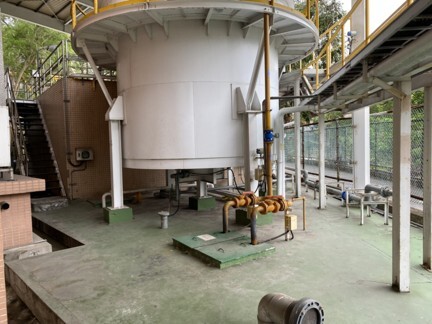
The campus wastewater treatment plant treats domestic sewage and other effluent after the required upstream controls. Sedimentation, biological treatment and water-quality monitoring ensure that treated effluent meets environmental standards before discharge. Regular equipment maintenance and testing maintain stable treatment performance and support comprehensive campus water management.
Together, source control, proper waste-liquid segregation and professional wastewater treatment put SDG 6 into practice and support safe, sustainable water use. MCUT will continue improving its management systems and environmental education, working with faculty and students to protect clean water and create a safer, healthier campus.
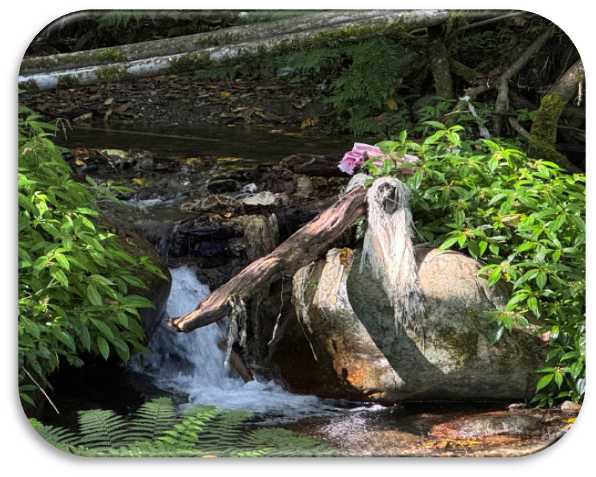
Protecting Mountain Streams and the Habitat of Taiwan’s Landlocked Salmon
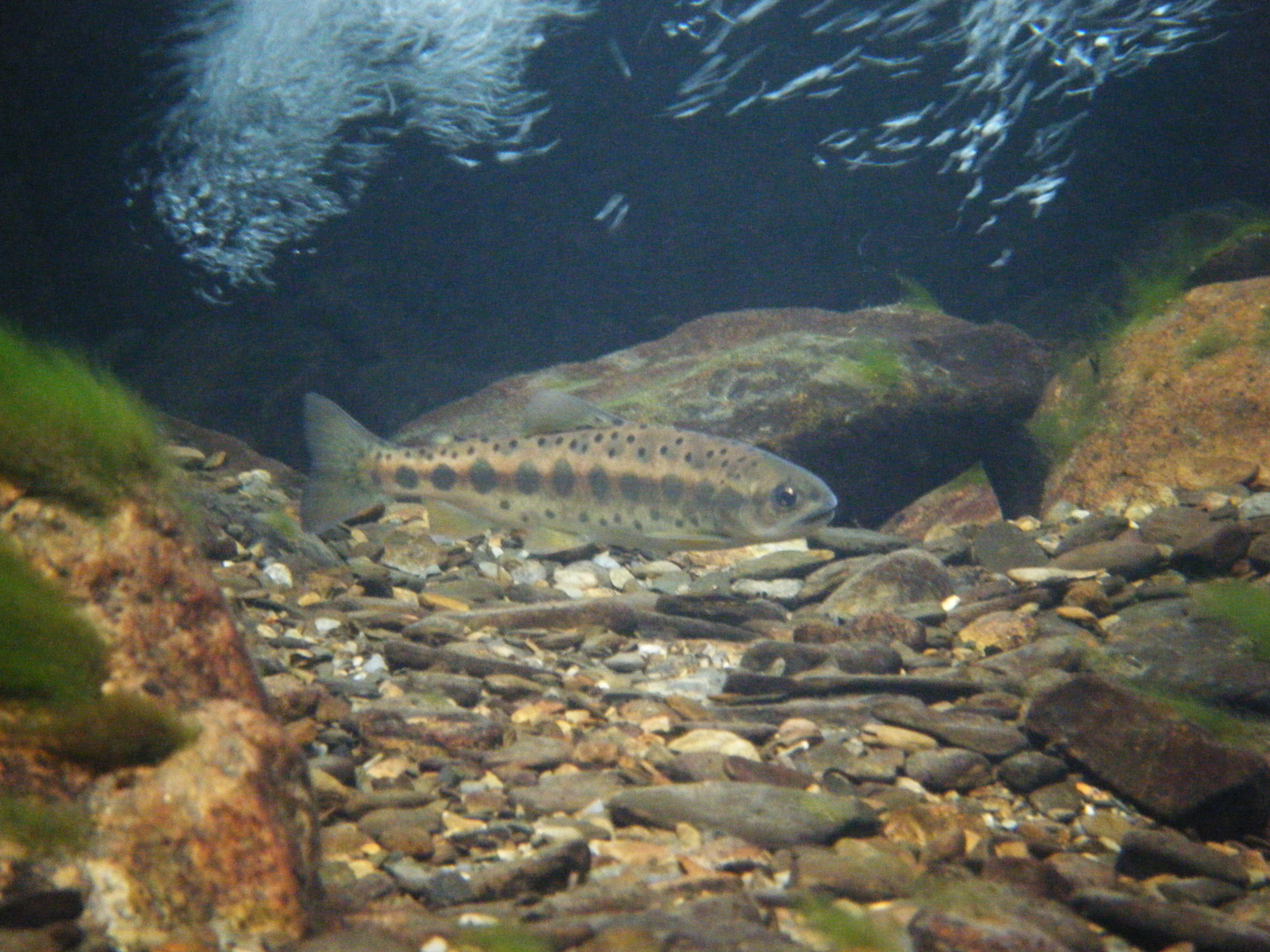
MCUT faculty and students have long conducted environmental monitoring and ecological research in Wuling, studying changes in mountain-stream water quality and the effects of human activity on natural habitats. The Wuling catchment is a vital home for Taiwan’s landlocked salmon. This rare fish, a relic of the Ice Age, is highly sensitive to water quality and requires cold, clear, oxygen-rich streams.
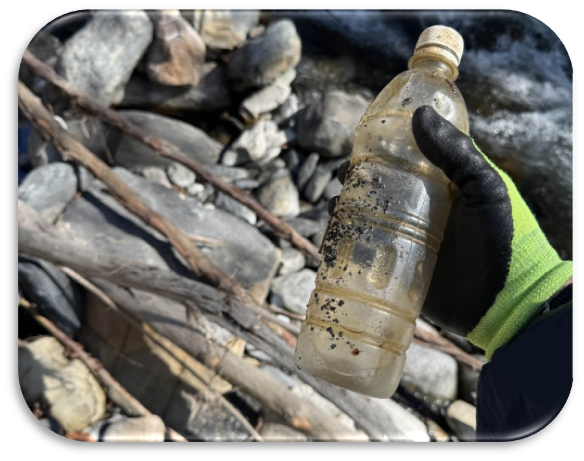
Research has detected microplastic pollution even in the mountain streams of Shei-Pa National Park. These tiny particles may originate from tourism, agricultural plastics, clothing fibres and everyday waste. Rainfall, surface runoff and atmospheric transport carry them into streams, creating an environmental pressure that is difficult to see but continues to accumulate.
Streams in protected forest areas generally have better water quality. Monitoring sites near agricultural and recreation areas, however, often show higher electrical conductivity and greater concentrations of nitrate, phosphate and microplastics. These findings indicate that human activities already affect mountain waters. Such pollutants can alter stream ecosystems and may threaten the salmon’s gills, immune function and physiological regulation.
This research supports SDG 6 by showing why protecting water quality and reducing pollution are essential to ecological conservation. Reducing single-use plastics, improving waste recycling, practising responsible tourism and supporting sustainable agriculture can all reduce pollution risks. Protecting clean mountain streams safeguards the salmon’s future and preserves a valuable natural environment for the next generation.