Learning Cooperation
Through Athletics
Office of Physical Education
MCUT integrates sport into education through its annual university athletics meet, supporting SDG 4, Quality Education. The event develops students’ abilities and character while giving them a platform for teamwork and cooperation. A class parade opens the meet, showcasing each class’s identity and unity in an atmosphere of energy and pride.

each academic year
and University History Room
over two years
Learning Cooperation Through Athletics
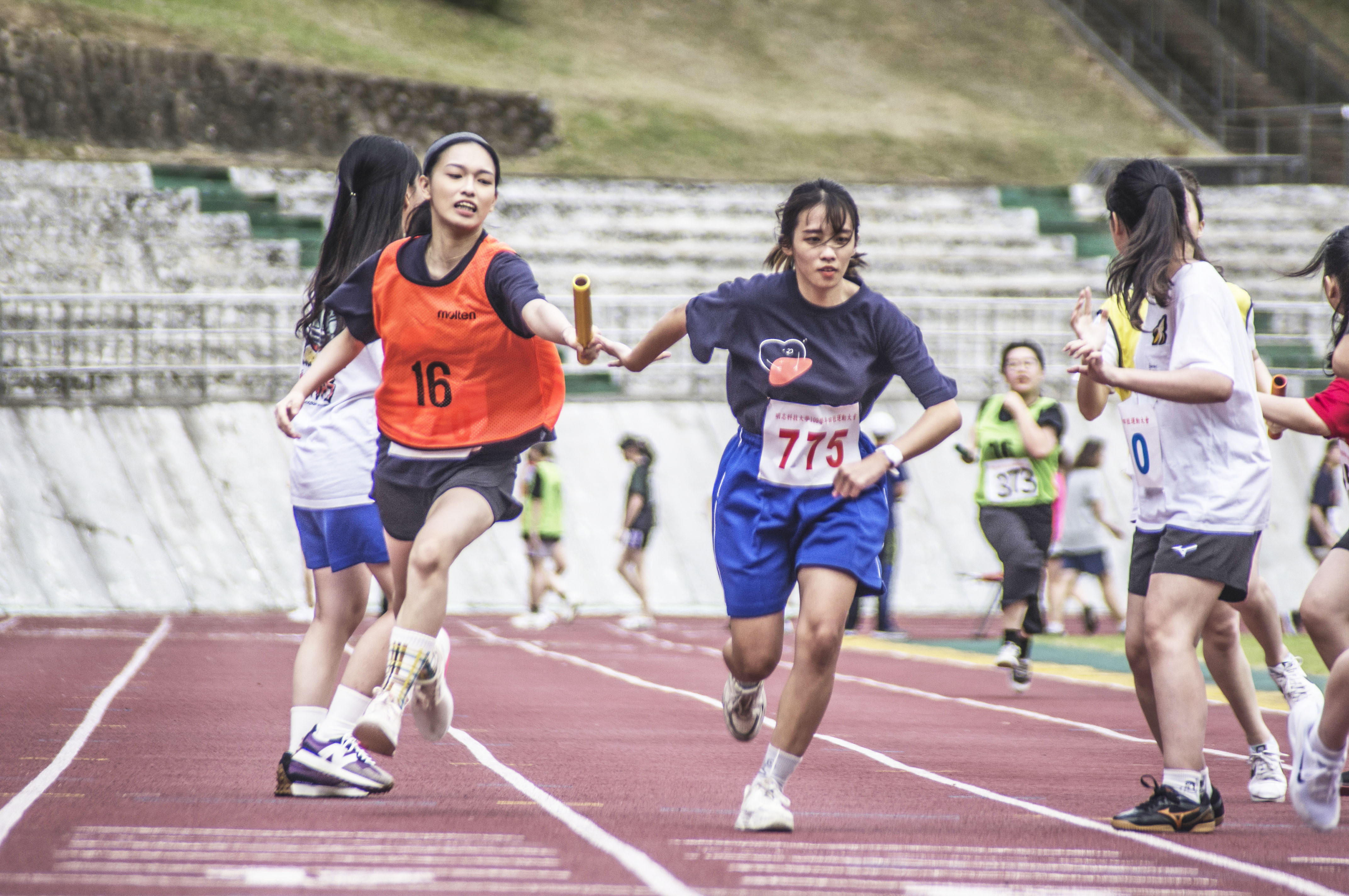
Events include sprints, class relays, long jump and softball throw, allowing students to participate according to their interests and abilities. Competition develops fitness and sporting skills while teaching respect for rules, officials and opponents, fair play and sportsmanship.
Class-based events such as relays require students to share responsibilities, plan strategies and encourage one another. They strengthen communication, responsibility and class cohesion. Students also cheer for classmates in individual events, creating a supportive environment for learning.
The athletics meet gives students opportunities to practice cooperation, respect and self-challenge. Experiencing effort and progress helps them develop positive attitudes and supports whole-person development. MCUT will continue connecting sport with education to offer diverse learning experiences and advance quality education and lifelong learning.
Quality Education for All through Reading and AI
Reading and Public Educational Resources
MCUT’s library welcomes the public free of charge alongside students and staff, encouraging community exchange and resource sharing. It holds eight book exhibitions each academic year on topics including gender equality, sustainable resources, character and life education. These varied resources promote reading, diverse perspectives and humanistic understanding.
University History and Community Connections
The University History Room offers free admission and guided tours so alumni and local residents can learn about MCUT’s development and campus culture. An annual University History Workshop during anniversary celebrations also welcomes outside visitors. These activities pass on the university’s heritage and strengthen ties with the local community.

Digital Learning and Generative AI Literacy
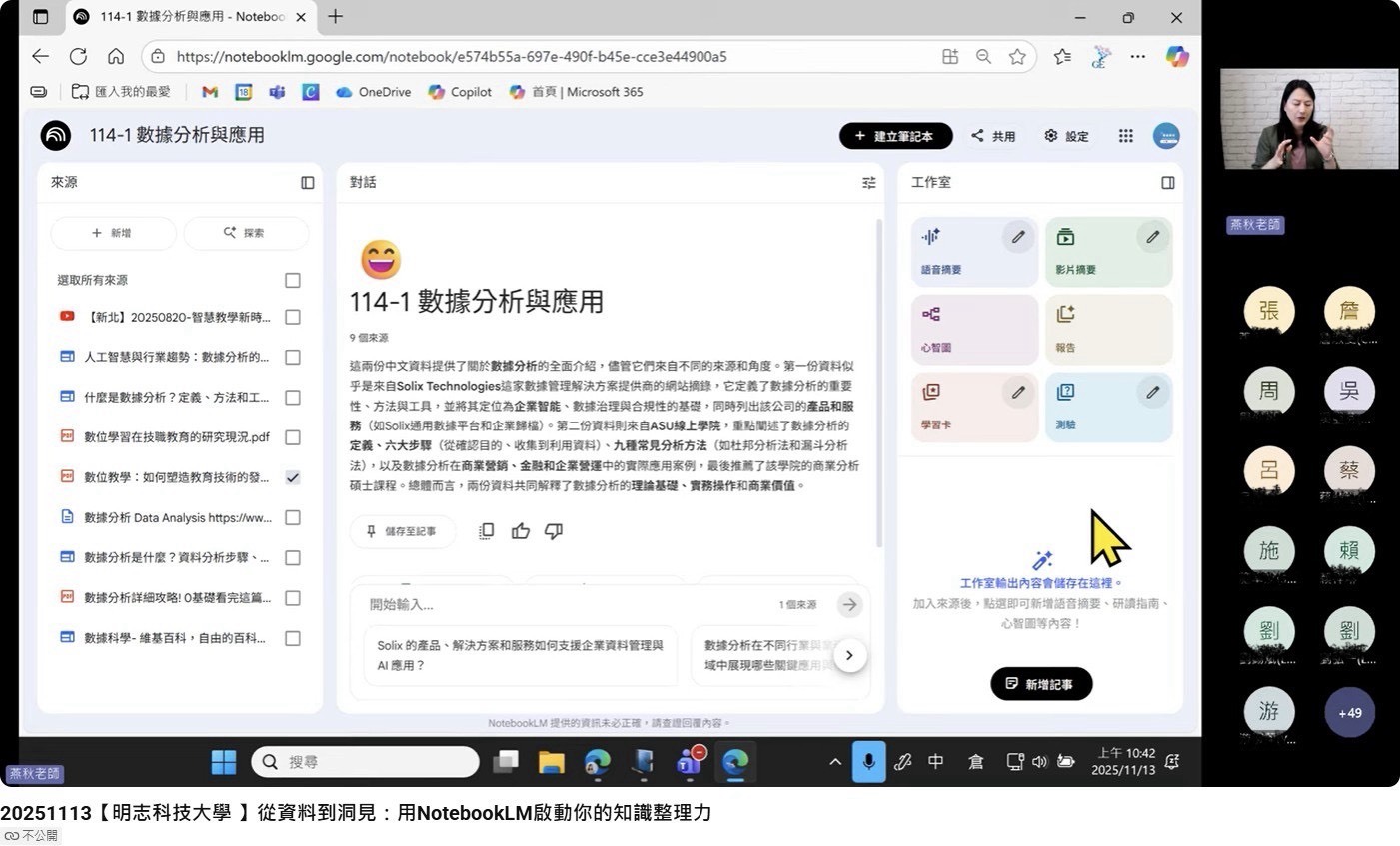
To help students and faculty keep pace with generative AI and gain practical skills, MCUT organized an online lecture by a prominent specialist in online AI education. Explanations and demonstrations helped participants understand AI’s role in education and knowledge work, as well as emerging trends.
The event helped teachers explore new teaching approaches and digital tools, diversify course design and improve teaching effectiveness. Students developed basic skills in using AI tools and learning independently. Digital competence and the ability to evaluate information are increasingly important in a rapidly changing AI environment.
By promoting online education and digital learning resources, MCUT supports SDG 4. Learners can access quality knowledge beyond the constraints of time and place, widening educational access and choice while strengthening independent and lifelong learning.
Developing AI Talent for Industry
MCUT’s AI and Data Science Research Center connects industry needs with higher education to develop professionals who can apply AI in practice. Its systematic courses and hands-on training support industrial digital transformation and smarter operations.
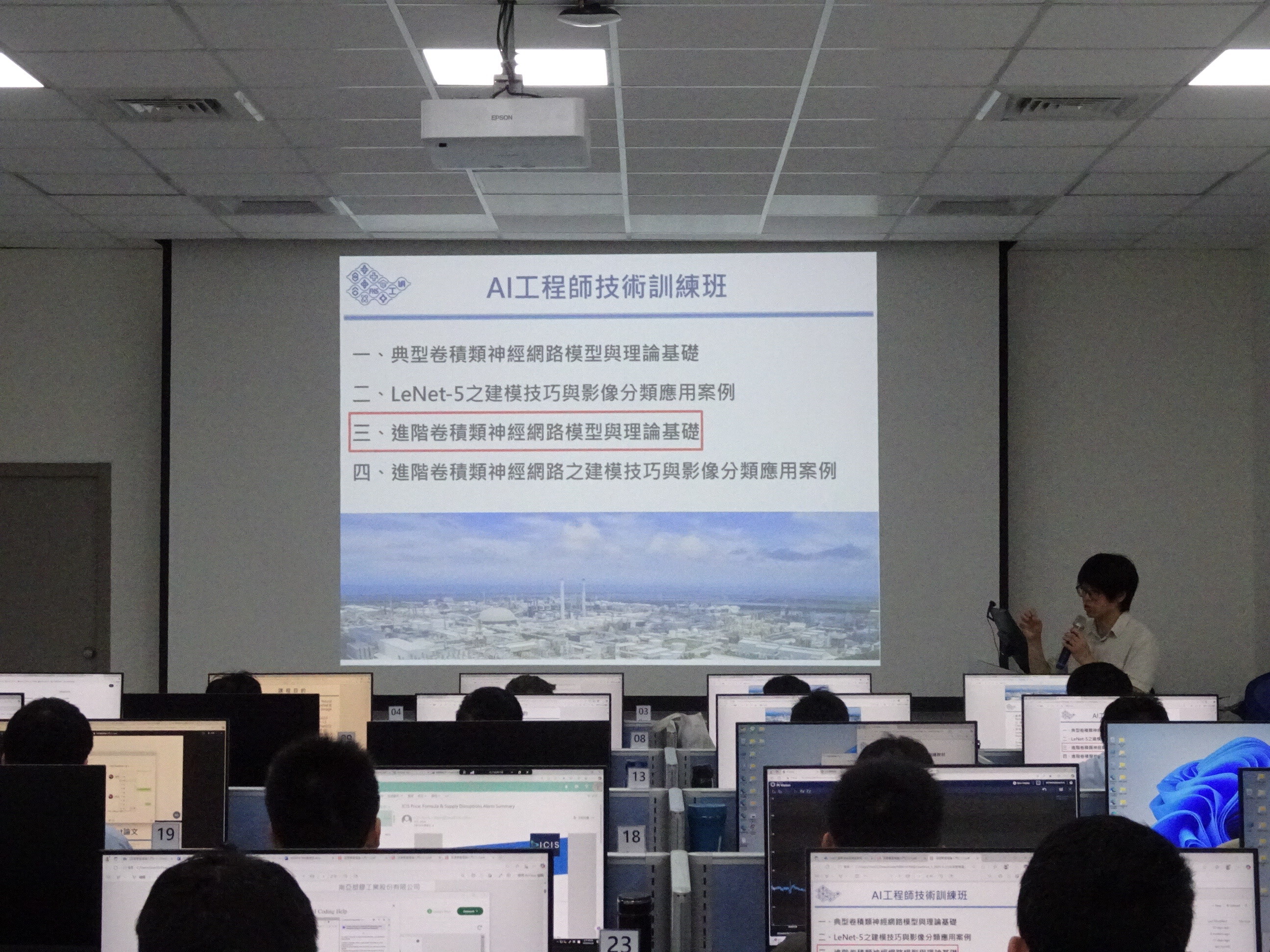
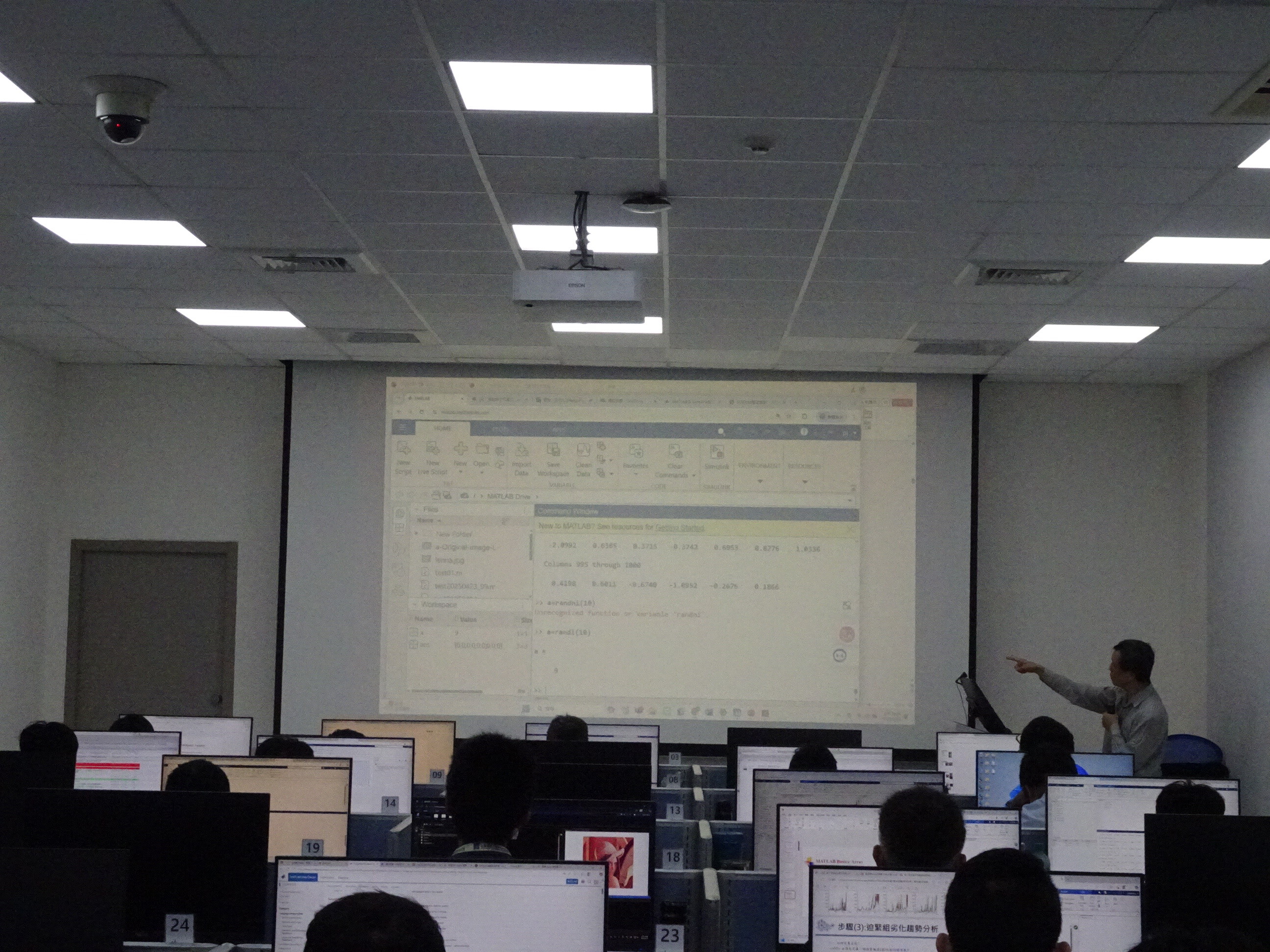
Commissioned by Formosa Petrochemical Corporation’s Mailiao Technical Training Center, the project offers AI Engineering Technology and AI Engineer Technology training programs. Dean Jin-Kwan Lin leads the project, with Center Director Yen-Jen Chen and Deputy Director Ssu-Han Chen supporting course planning and delivery. The curriculum covers AI fundamentals, probability and statistics, machine learning, deep learning theory and computer vision.
Director Chen teaches recurrent neural networks and their use in sequence-data analysis and intelligent applications, strengthening trainees’ theoretical foundations. Deputy Director Chen teaches introductory deep learning and computer-vision applications, guiding trainees from core concepts to image recognition and other applied uses.
The courses combine theory with Python programming, machine-learning algorithm implementation and deep-learning case analysis. Practical work helps trainees understand how AI functions in industrial settings and improve problem-solving skills. Three cohorts have completed training over two years. The partnership strengthens industry professionals’ AI capabilities and encourages technical exchange between academia and business.