Protecting Health
Across the MCUT Community
Environmental Protection and Safety Office
MCUT promotes physical and mental well-being through workplace health management. Regular staff health examinations and a diabetes-prevention seminar help employees understand chronic disease prevention and strengthen their ability to manage their own health.
for campus health and workplace safety
under the 2025 university health program
among 30 yoga participants
Protecting Health Across the MCUT Community
A visiting physician serves the campus every two months, providing consultations and professional advice. The physician also inspects laboratories and workplaces, reviewing safe laboratory practice, chemical and toxic substance use and storage, and protective measures. These ongoing services raise health awareness, reduce workplace risks and strengthen campus safety and health management.
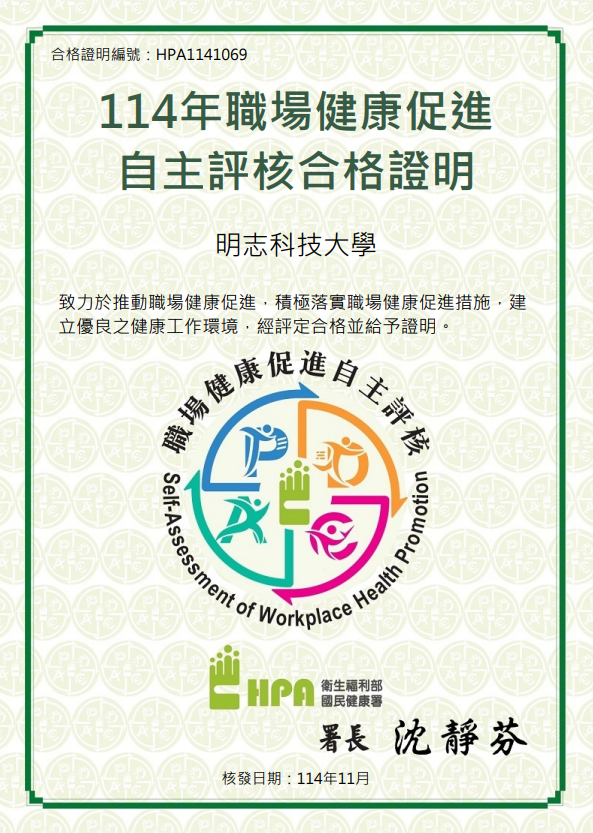
MCUT passed the Health Promotion Administration’s 2025 workplace health promotion self-assessment and received a certificate of qualification. This recognizes its systems and implementation and supports SDG 3, Good Health and Well-being. Through sustained professional support, MCUT aims to provide a safe, healthy and sustainable environment where all staff and students can work and learn well, while reducing long-term health risks.
Yoga for Physical and Mental Well-being
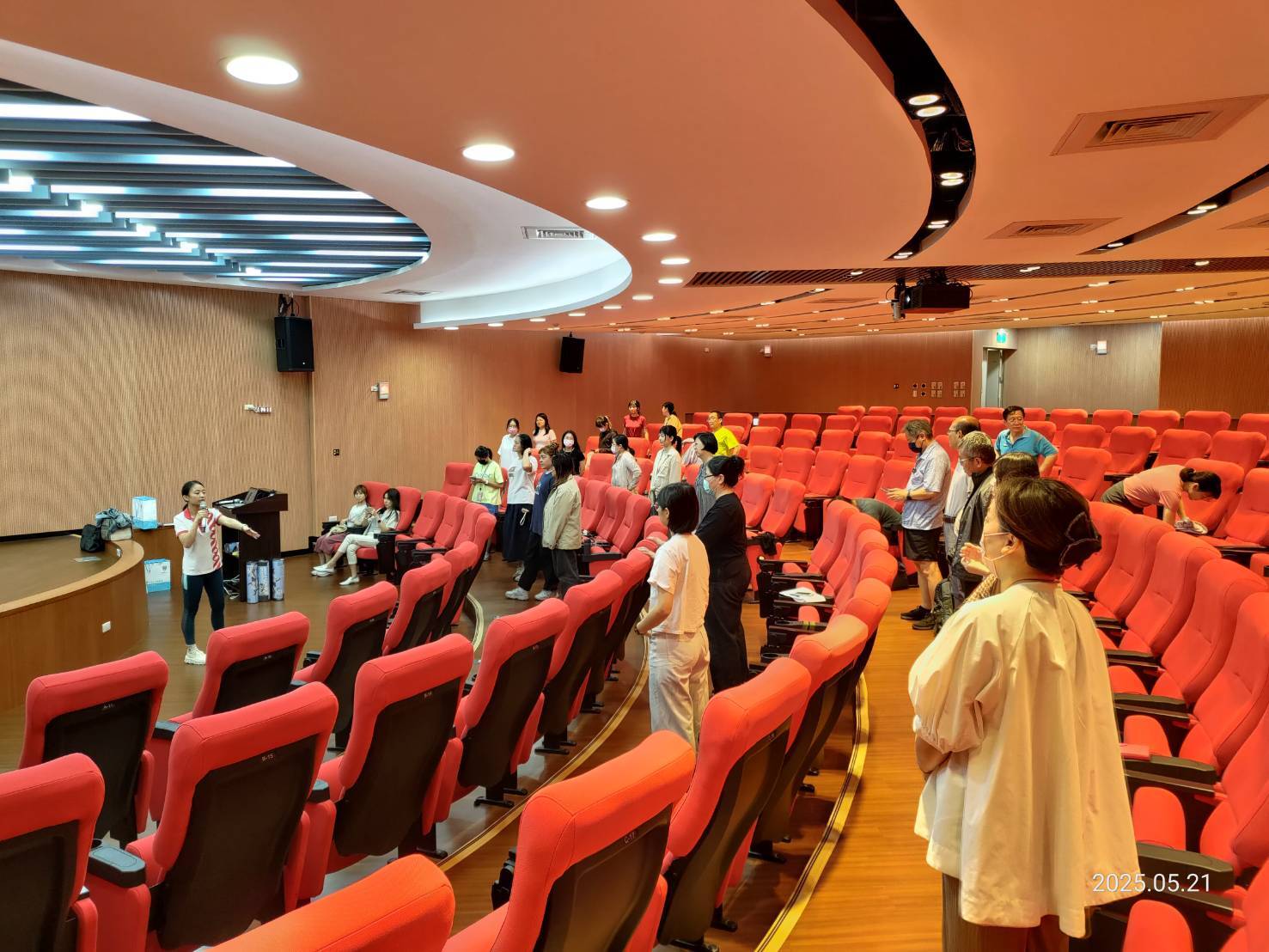
MCUT offered an eight-week “Stress-Relief Yoga: Relaxing Body and Mind” course under the 2025 health-promoting university program. Qualified instructors provided safe, structured exercise to improve fitness and quality of life, relieve the pressures of work and study, and encourage regular exercise and personal health management.
Stretching, breathing and relaxation exercises helped participants improve flexibility and balance. Among 30 participants, average sit-and-reach performance rose from 26 cm before the course to 31 cm afterward, a 5 cm gain. One participant surnamed Lin improved from 13 cm to 25 cm, a gain of 12 cm. These results show the benefits of sustained stretching and physical training.
Participants found the sessions practical and relaxing. They valued the instructor’s clear explanations, posture corrections and encouragement, which supported safe and enjoyable learning. The course increased interest in exercise and helped relieve stress. MCUT will continue offering varied health activities to build regular exercise habits, healthier lifestyles and greater well-being in line with SDG 3.


Molecular Docking for Sustainable Health
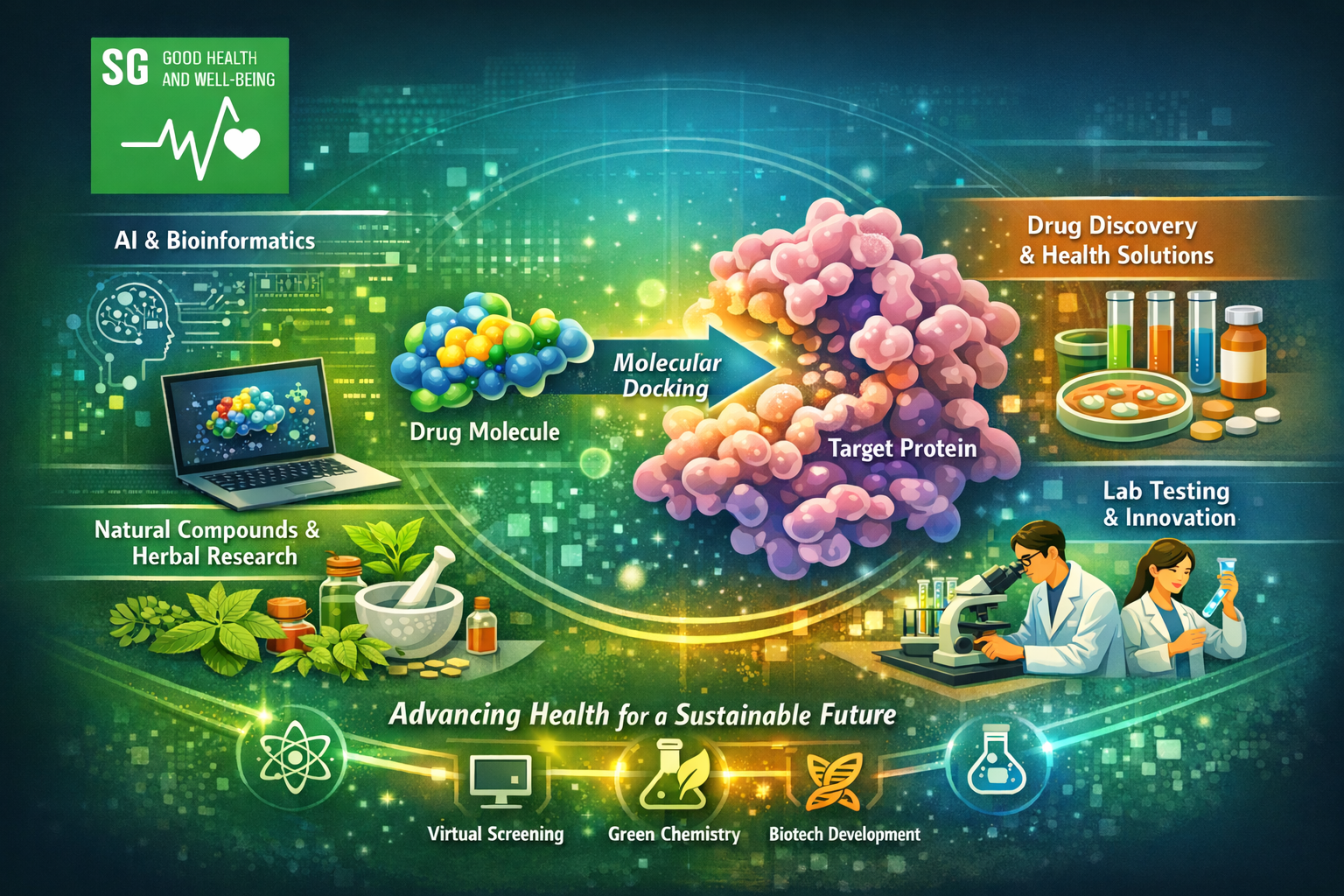
Rapid population aging, growing chronic disease burdens and emerging infections make SDG 3 a global priority. Developing medicines and health products efficiently, sustainably and innovatively is a major scientific challenge. MCUT’s Herbal Medicine Extraction and Purification Center combines engineering and life sciences in research with social impact. Molecular docking, used alongside artificial intelligence and molecular simulation, is becoming an important tool in this work.
How Molecular Docking Works
Many diseases involve the activity of particular proteins. Small molecules that bind to these proteins and regulate their function may become new medicines. Conventional drug discovery requires extensive experimental screening and consumes considerable time and resources. Molecular docking uses computer simulations to predict how small molecules bind to proteins and to assess their potential biological activity. It can screen thousands or tens of thousands of candidates quickly, improving research efficiency and reducing resources spent on experimental trial and error.
MCUT combines docking with AI and big data analytics in an efficient drug-discovery platform. Researchers use it to identify active molecules with potential against inflammation, aging, viruses and metabolic diseases.
Discovering Potential in Natural Compounds
Taiwan’s plants and herbal medicines contain many compounds with potential pharmacological activity, but finding molecules with therapeutic value is difficult. MCUT builds molecular databases of natural compounds and virtually screens them against proteins involved in human disease. For enzymes and receptors linked to aging, inflammation and metabolic disorders, researchers can rapidly predict which compounds may regulate their activity. This approach shortens research time, improves the precise and efficient use of natural resources, and creates opportunities for natural medicines and health products.
Protein–Mineral Materials for Bone Protection
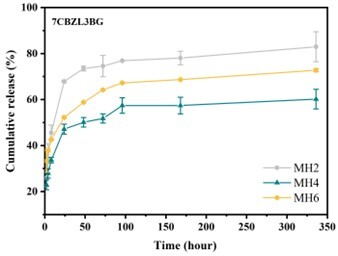
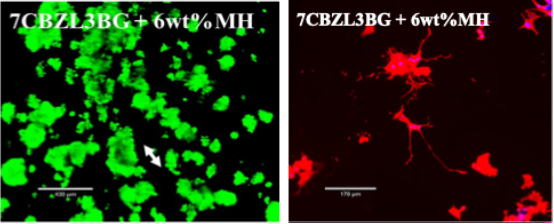
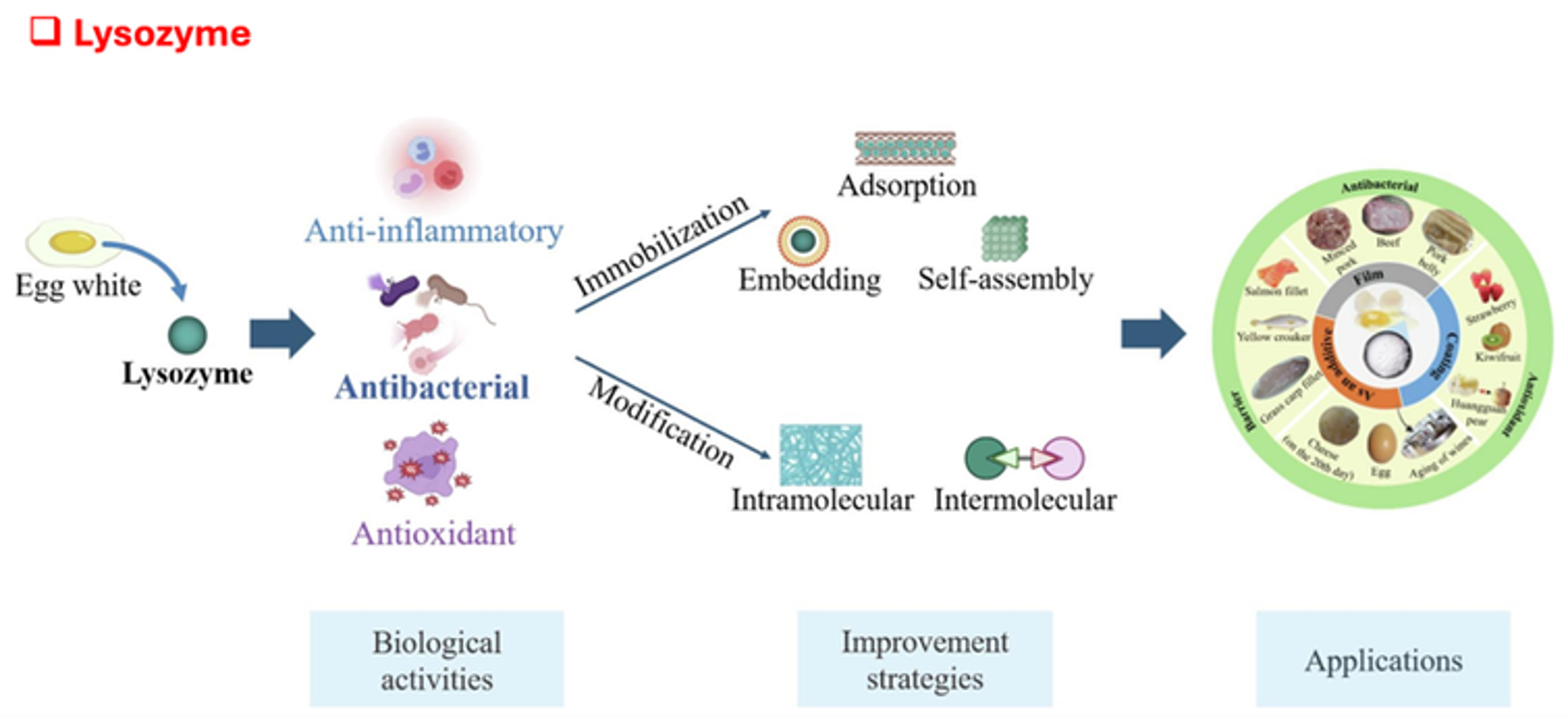
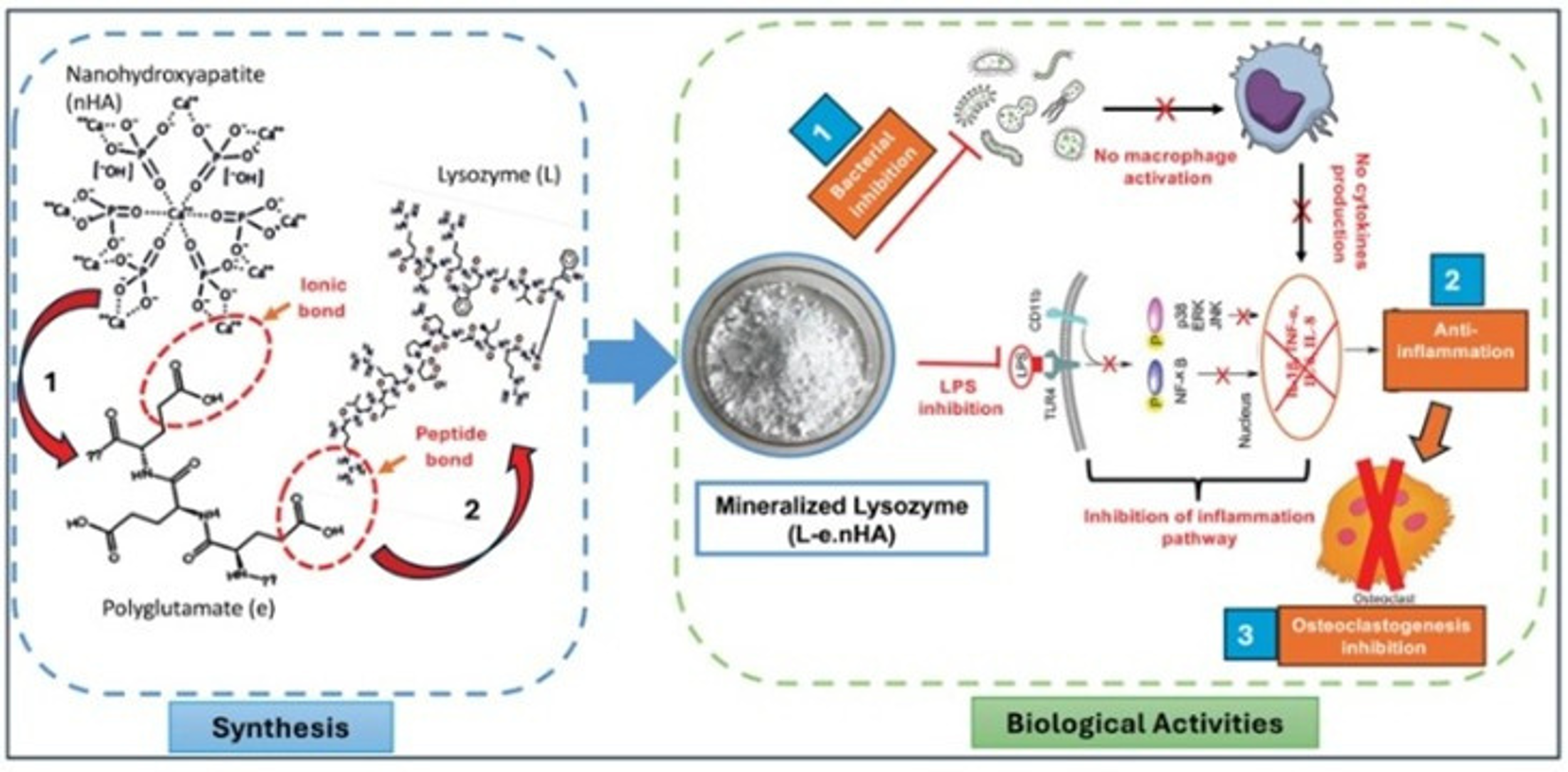
This study extends the role of lysozyme, a natural, edible and highly biocompatible antibacterial protein, into a multifunctional bone biomaterial. Using polyglutamic acid as a bridge, researchers adsorbed lysozyme purified from egg white onto nano-hydroxyapatite to create a mineralized lysozyme composite.
The material retains antibacterial and anti-inflammatory properties. In the study, it inhibited inflammation pathways induced by lipopolysaccharide (LPS), reduced macrophage activation and inflammatory cytokine production, and suppressed osteoclast differentiation and activity. It therefore offers potential for infection prevention, inflammation control and bone preservation, extending beyond the defect-filling function of conventional bone materials.
By combining natural proteins with bone minerals, the research offers a potentially safer, simpler and multifunctional approach to bone-defect repair, bone infection control and conditions involving bone loss. It supports SDG 3 through research into treatment effectiveness, quality of care and medical materials with clinical potential.
Air Quality Monitoring for Public Health
Air quality affects health and quality of life. MCUT studies atmospheric monitoring, high-resolution measurement, pollutant toxicity, source identification and integrated health-risk assessment. Its goal is to provide scientific evidence for targeted pollution control and policy that protect both air quality and public health.
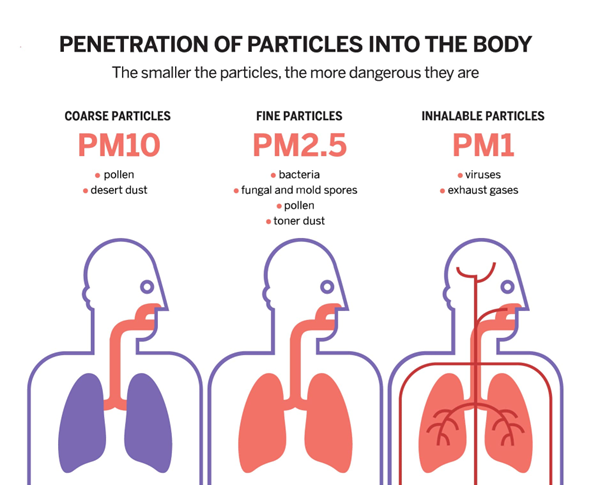
PM2.5 particles are smaller than 2.5 micrometers. They can reach deep into the respiratory tract, and very fine particles may pass through the alveoli into the bloodstream. Research examines associated organic pollutants, including polycyclic aromatic hydrocarbons (PAHs), volatile and semi-volatile organic compounds (VOCs/SVOCs), and secondary organic aerosols (SOA). PAHs can cause mutations, DNA damage and abnormal cell growth. SOA forms when gaseous precursors such as VOCs undergo atmospheric oxidation. These fine particles can contribute to oxidative stress and chronic inflammation.
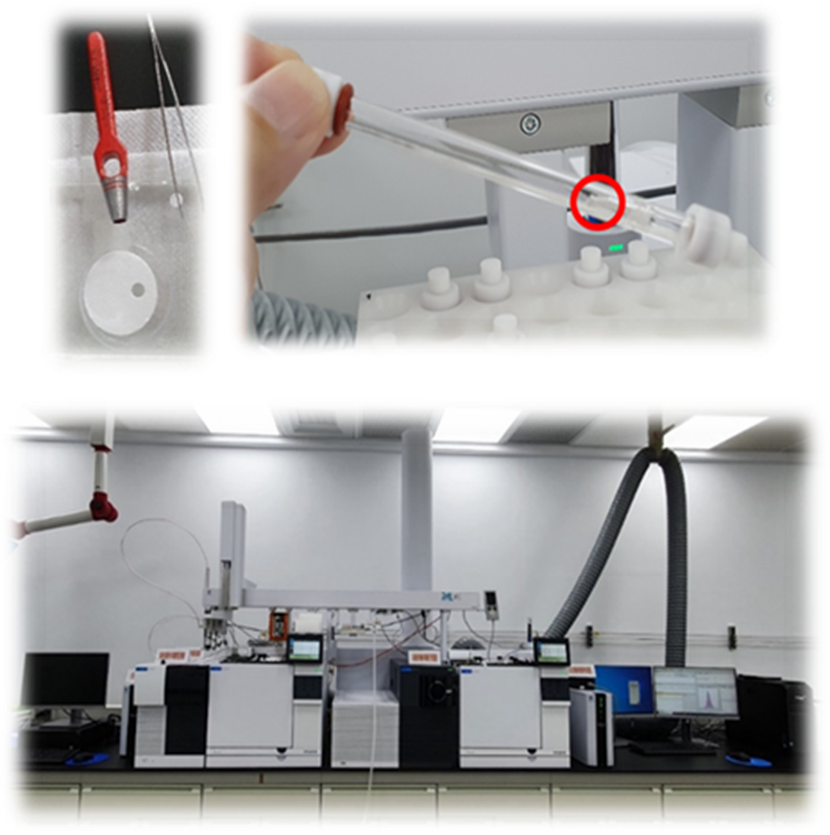
The center uses thermal desorption gas chromatography–mass spectrometry (TD-GC/MS) and positive matrix factorization (PMF) to identify pollution sources. Its work has expanded from total particle mass to chemical composition, with attention to the health-risk contributions of organic carbon (OC), elemental carbon (EC) and specific PAHs.
Air Quality Research (continued)
The center also develops advanced analytical methods to track the environmental and health effects of persistent organic pollutants. It combines the Internet of Things with big data analytics to forecast regional air quality. Supporting SDG 3, this research can inform government monitoring methods and policies to reduce emissions from potential pollution sources, helping protect public health and well-being.
Polymer Materials for Sustained Drug Delivery
Growing healthcare needs call for medicines that work effectively while reducing side effects and treatment burdens. Polymer structures such as hydrogels and nanofibers can control drug release, maintain therapeutic effects for longer and reduce dosing frequency.
MCUT synthesized polymers from glutamic acid and lysine, then used electrospinning to create aligned nanofiber scaffolds loaded with minocycline, a drug with neuroprotective effects. The hydrophilic material supports cell attachment and guides neural growth without additional surface modification. Its design enables stable, sustained release and avoids the initial burst that can cause cellular toxicity.
In cell experiments, the scaffolds improved neural-cell attachment and survival and promoted neurite growth, showing potential for nerve repair. Compared with conventional administration, such delivery systems may reduce dosing frequency, improve treatment consistency and lower the risk of side effects.
The research supports SDG 3 by seeking safer, more effective treatments and better quality of life for people with neurological conditions. Sustained release and integrated material functions may also reduce healthcare resource use and support more stable, accessible care and progress toward universal health coverage.