Campus Dining
and Student Support
Office of General Affairs
Guided by its motto, “Diligence and Simplicity,” Ming Chi University of Technology (MCUT) has long addressed students’ basic needs during their studies. Its support promotes access to food, nutrition and care for students in need. MCUT recognizes that a stable and adequate food supply is essential to students’ health, well-being and learning. By coordinating campus housing and meal services, the university provides an environment that combines daily care, financial support and educational value.

Breakfast NT$34 · Lunch NT$65 · Dinner NT$65
per student
per student
Daily care. Equal access.
Campus Living and Social Development
MCUT requires all first-year students to live on campus for one year. This policy reduces their housing and transportation costs while helping them develop self-discipline, cooperation and mutual support through communal living. It also supports the transition from family life to the workplace.
Meal Subsidies and Quality
Under the campus meal plan, meal fees are collected with registration. Students pay NT$164 per day: NT$34 for breakfast and NT$65 each for lunch and dinner. The actual daily catering cost is NT$193. MCUT covers the NT$29 difference, directly easing financial pressure on students and their families.
Equal Access to Nutritious Meals
The campus meal program ensures that every student, regardless of financial background, has reliable access to nutritious meals. This consistent support helps students build regular eating habits and ensures that those with financial need have enough to eat and can focus on their studies. It reflects MCUT’s commitment to student well-being and advances SDG 2 values of inclusion, health and sustainability.

Sustainable Agriculture on Campus
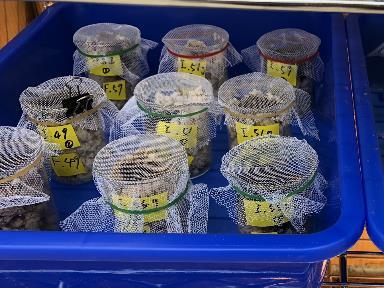
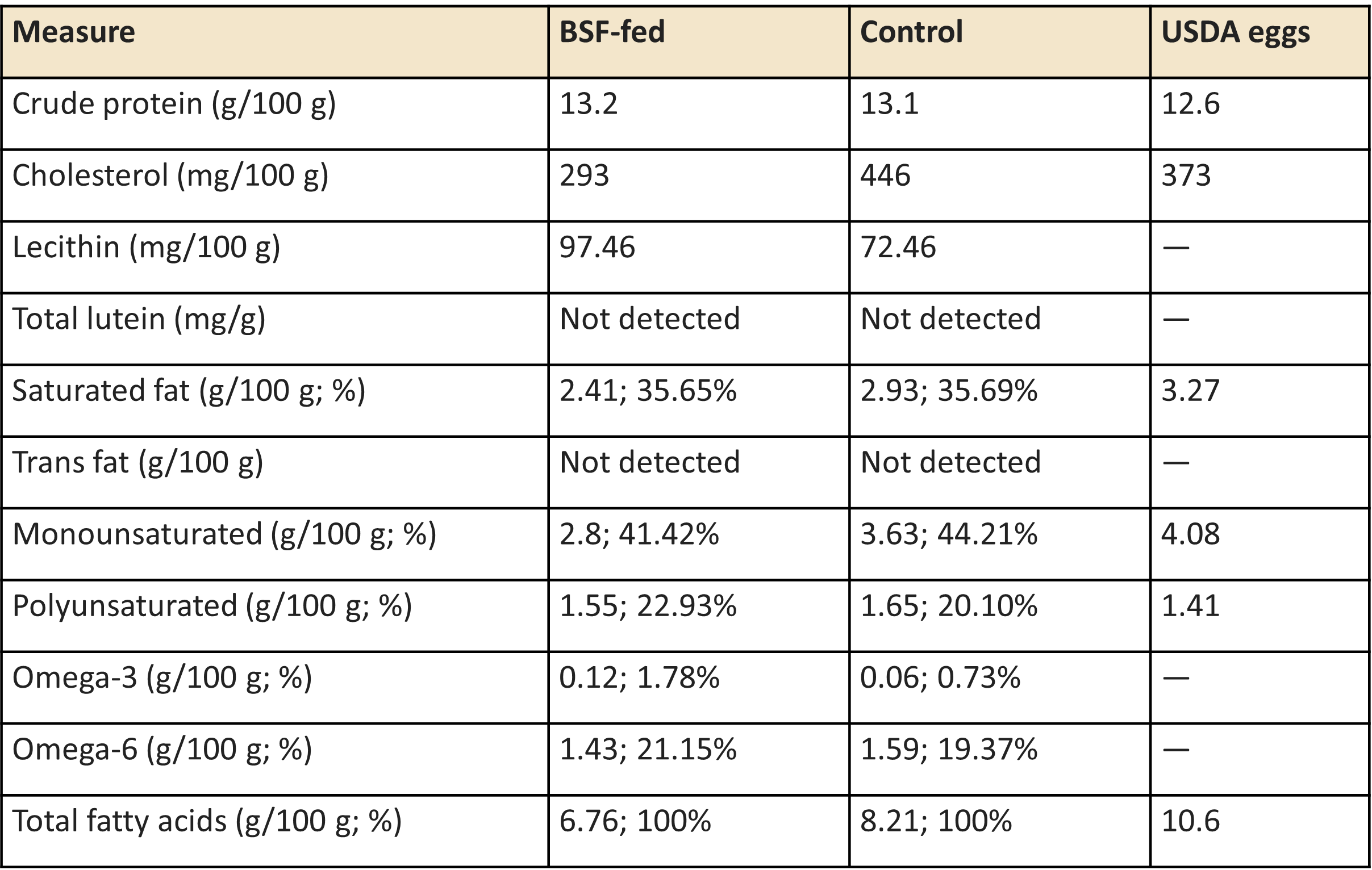
MCUT’s University Social Responsibility (USR) team provides food and agriculture education on campus. Beneficial microorganisms ferment food waste anaerobically. The fermented waste is then used to raise black soldier fly (BSF) larvae, which partly replace chicken feed; the insect frass becomes high-quality organic fertilizer. This process demonstrates a circular and sustainable approach to agriculture. Research shows that feed containing black soldier fly larvae can increase laying rates. The eggs also have about 20% less cholesterol than commercial eggs and contain more omega-3 fatty acids, giving them potential as a value-added food product. The project aims to share this technology with rural communities, helping disadvantaged groups develop sustainable poultry businesses that support local livelihoods and education.
To share the approach, the team works with Yangmei Farm to hold food and agriculture education activities and promote the use of beneficial microbes to turn food waste into organic fertilizer. At a professional development workshop for principals of northern Taiwan’s secondary schools, the team introduced the technology and its applications. Several principals expressed interest and invited MCUT to help their schools develop related courses. Principal Yu-Chieh Chiu also invited the team to introduce the sustainable use of black soldier fly larvae as alternative livestock feed in his school’s animal husbandry program.
The team plans to use the campus greenhouse as a demonstration site, integrating aquaponics, black soldier fly farming, laying hens, anaerobic food-waste fermentation and crop plots into a campus circular-agriculture model. The system will convert food waste into high-protein insect biomass and organic fertilizer while reducing organic waste. Aquaculture water will supply nutrients to plants, improving water-use efficiency. The site will produce vegetables, aquatic products and eggs, while serving as a hands-on learning and community outreach space that demonstrates circular economy practices and progress toward net zero.