Education changes lives.
MCUT helps dreams grow.
MCUT sees ending poverty as giving students in hardship a chance to change their lives. Honoring founder Wang Yung-ching’s legacy, the Dream Fulfillment Program and Founder Wang Legacy Scholarships build a campus safety net so financial hardship does not interrupt education.
including Ministry matching funds
Academic year 2023–2024
for Indigenous students in 2023–2024
A safety net for every dream
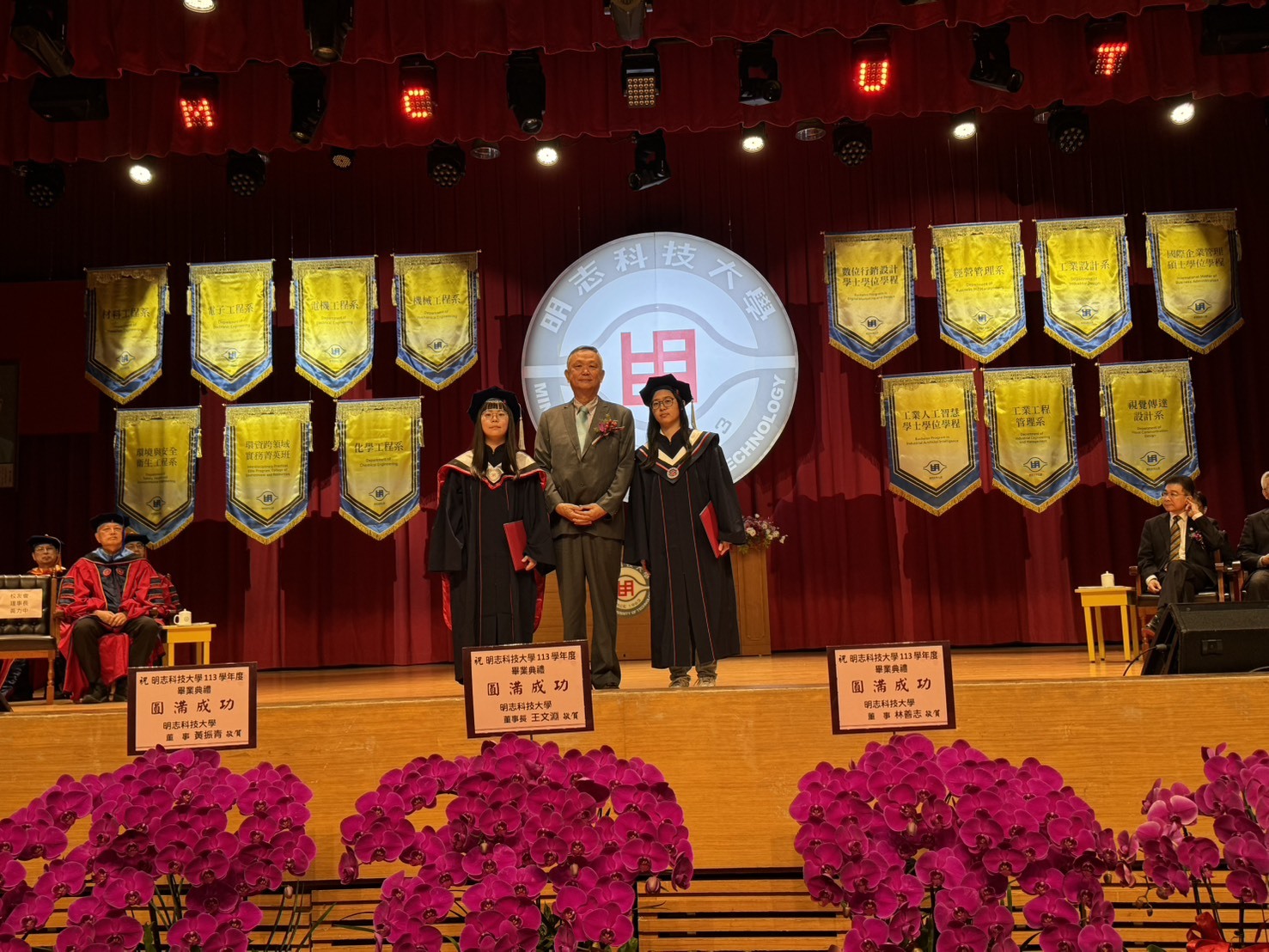
The Dream Fulfillment Grant puts the Ministry of Education’s Higher Education Sprout Project into practice. It empowers students to focus on learning instead of paid work. MCUT raises NT$2–2.5 million annually. With 1:1 matching funds from the Ministry, total support reaches up to NT$5 million a year. Grants support students from low-income households, Indigenous students, students with disabilities, and those facing sudden family crises. Instead of working late to cover living expenses, recipients can focus on coursework, professional certifications and career guidance. Fixed monthly grants offer both practical support and recognition, helping students develop their expertise and pursue a different future.
The Founder Wang Legacy Scholarships carry this commitment across generations. In its early years, MCUT helped many students from disadvantaged families through low tuition, residential education and work-study opportunities. Today, grateful alumni give back through donations, extending the support they once received.
Staff combine care with careful assessment, visiting families and conducting telephone interviews to understand students’ circumstances. Last year, disbursements from donated funds exceeded NT$530,000. These scholarships recognize achievement and help students overcome financial hardship. Through education and personal support, MCUT puts the SDGs into practice and helps hardworking students realize their dreams.
Indigenous Aid and Opportunity
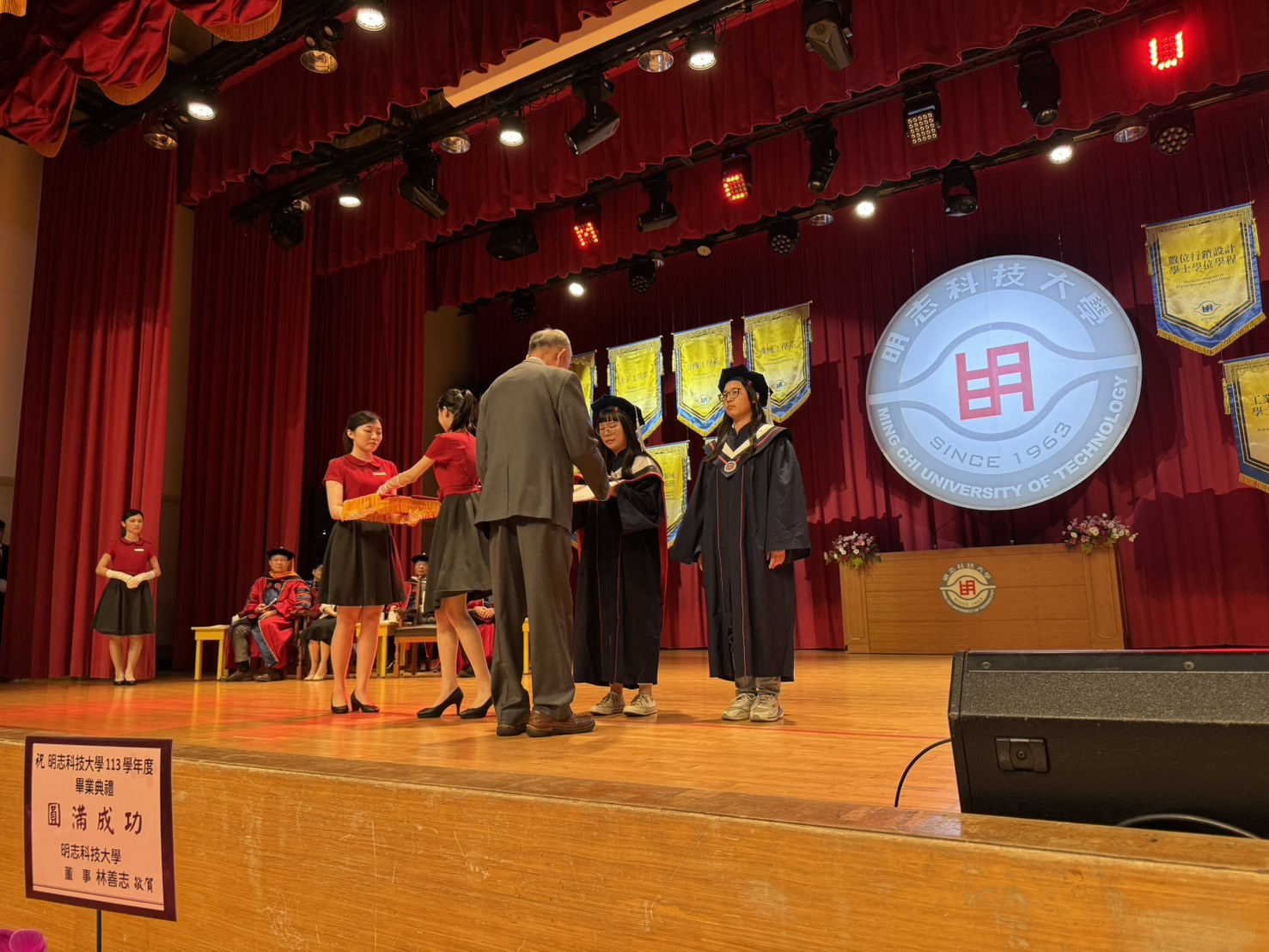
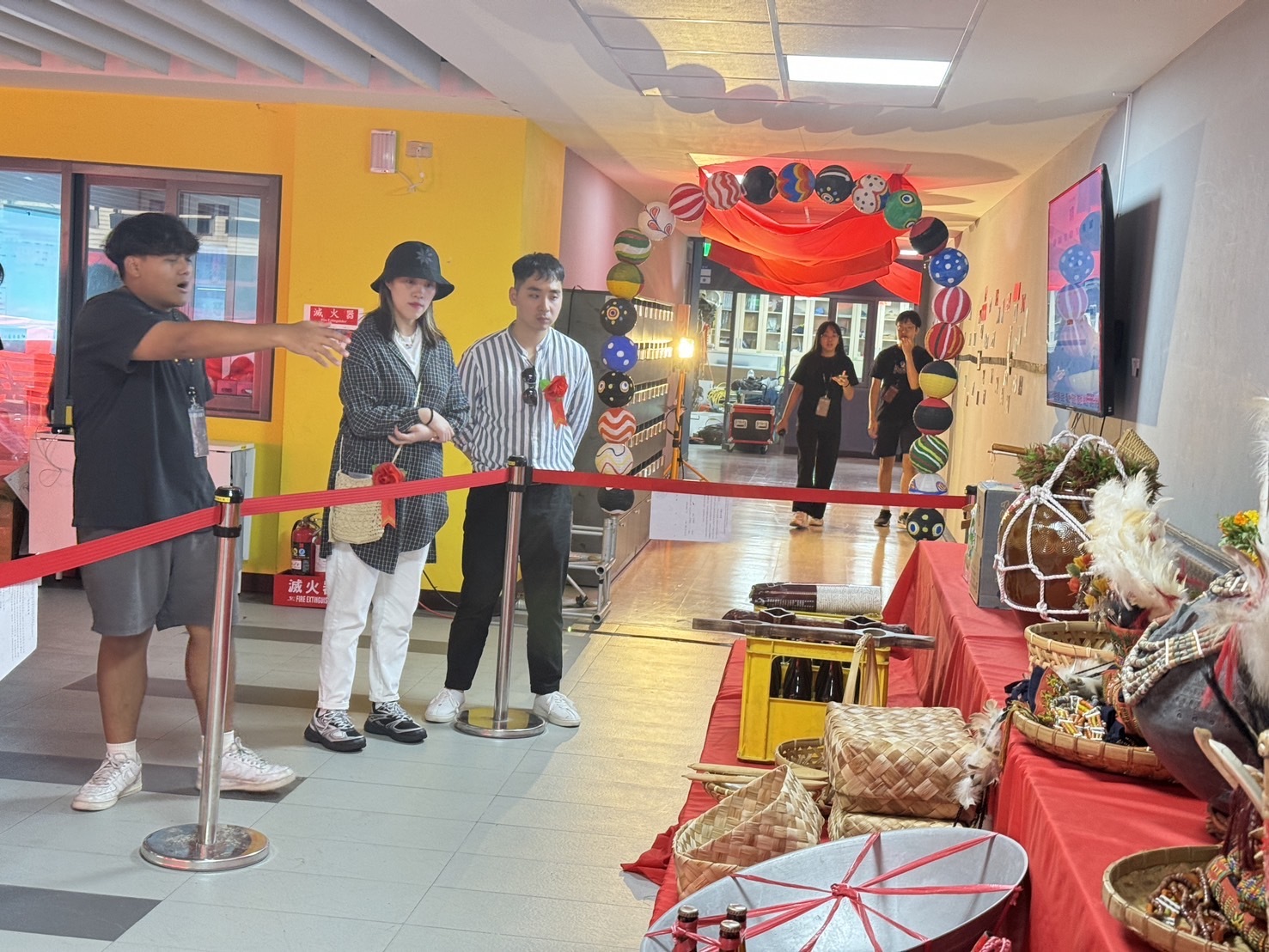
MCUT has long supported Indigenous students through financial aid and ongoing guidance, easing financial pressure and helping them stay in education and transform their lives.
Building on its Indigenous Education Center, MCUT later established the Indigenous Student Resource Center to bring together campus and external resources. Support covers daily life, academic learning, internships and employment. For Indigenous students, education offers more than a degree. It can transform their lives, families and future prospects. MCUT takes concrete steps to ensure that family finances do not force students to give up their education.
Alongside subsidies for tuition, fees, meals, accommodation and books, MCUT offers a charitable trust work-study program with 8–80 hours of paid work per month. Students can continue learning while easing the financial burden on their families.
In academic year 2023–2024, Indigenous student subsidies totaled NT$2,032,500 across 704 instances of assistance, demonstrating MCUT’s investment in equal educational opportunity. Cultural activities, experiential courses and academic guidance help students complete their studies while strengthening cultural identity, self-worth and future employability. This support advances SDG 1 through education, helping students build independent lives with dignity and hope.

Supporting Underserved Communities in Ulaanbaatar
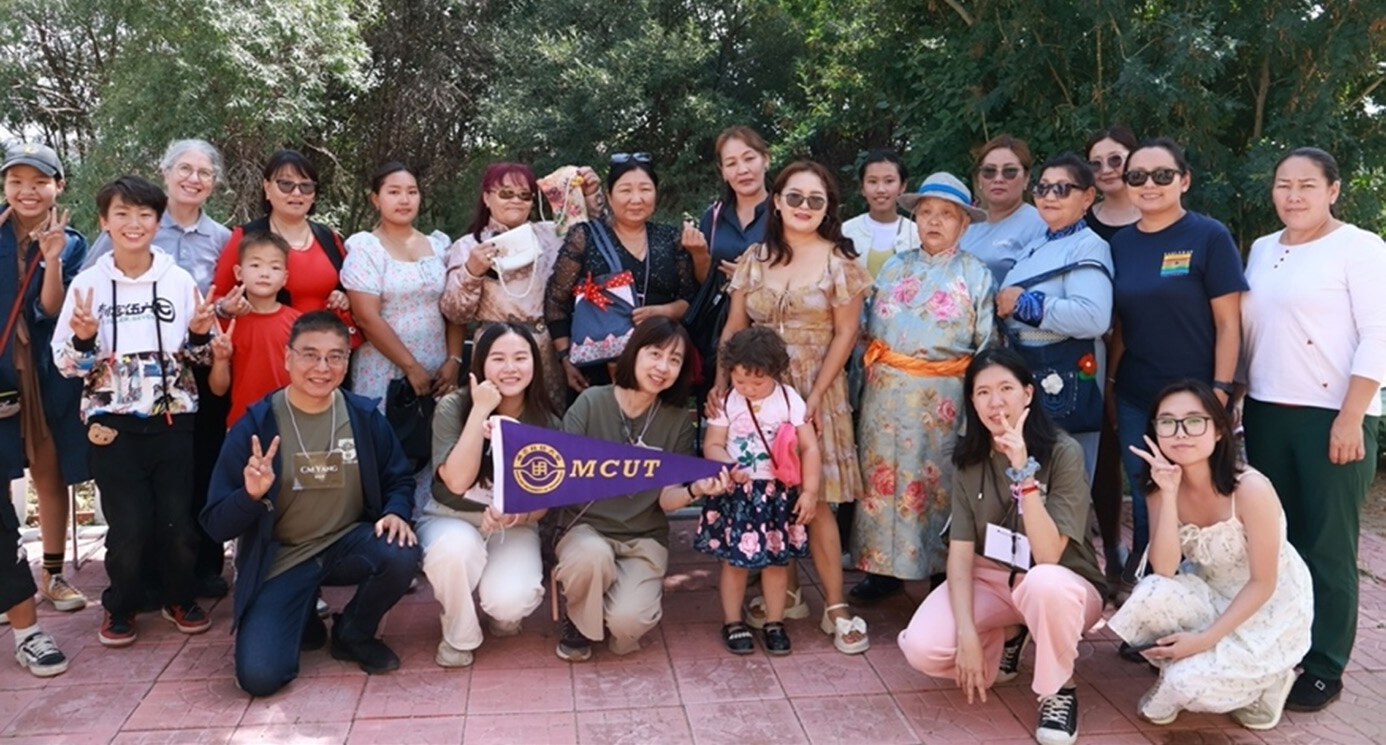
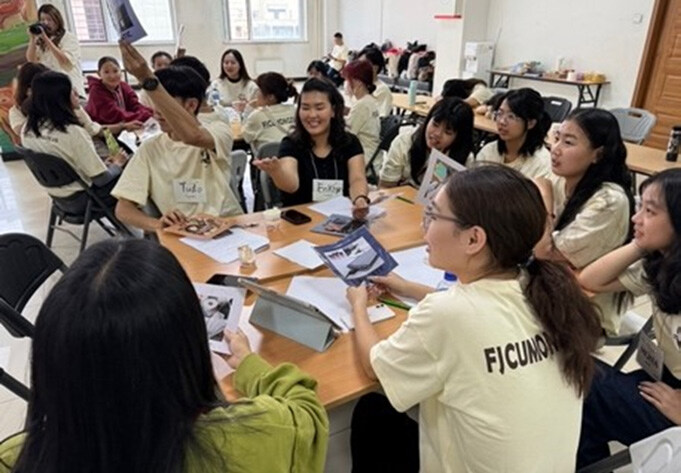
MCUT’s Community Care and Action Project addresses the educational, living and financial challenges of disadvantaged children and families in Ulaanbaatar, Mongolia, under SDG 1, No Poverty. Since 2023, MCUT has visited Mongolia’s Taiwan Fund for Children and Families (TFCF) and other organizations to build international USR partnerships. This year, a four-person team of faculty and students from the College of Management and Design joined Fu Jen Catholic University volunteers. They applied design thinking and visual identity expertise through visits to TFCF Mongolia, Catholic churches, Caritas and the Mongolian National University of Education, and through six workshops. Together, they developed product and service designs, teaching tools and standard teaching procedures to address local environmental, living, educational and economic challenges. The project also opened opportunities for vocational training, community research and development, 3+2 program recruitment and overseas exhibitions of design work.