【Award Information】MCUT Climbs in THE Impact Rankings, with SDG 9 Entering the Global Top 100 for the First Time
Times Higher Education (THE) recently released the 2026 Impact Rankings. Ming Chi University of Technology (MCUT) advanced significantly to the global 201–300 band, up from 401–600 in the previous year. Notably, MCUT entered the global top 100 for Sustainable Development Goal 9 (SDG 9), “Industry, Innovation and Infrastructure,” for the first time, ranking 87th worldwide. This achievement highlights MCUT’s international competitiveness in industry–academia research and development, technological innovation, and sustainability governance.
The THE Impact Rankings use the United Nations’ 17 Sustainable Development Goals (SDGs) as their assessment framework. Universities worldwide are evaluated based on their contributions to sustainable development through research, teaching, institutional governance, and community engagement, making the rankings one of the key international indicators in higher education.
MCUT stated that industry–academia research and development has been a major focus of its institutional development in recent years. The University has continued to integrate the research capabilities of its centers for artificial intelligence and data science, green energy and battery technologies, organic electronics, intelligent vehicles, and environmental sustainability.
MCUT has actively engaged in forward-looking research in artificial intelligence, energy storage batteries, circular materials, green manufacturing processes, and smart manufacturing. Through industry–academia collaboration, patent portfolio development, technology transfer, and technology commercialization, MCUT has helped industries advance digital transformation, low-carbon manufacturing, and net-zero supply chains. These efforts have served as a major driving force behind MCUT’s significant improvement in SDG 9.
For SDG 11, “Sustainable Cities and Communities,” MCUT ranked in the global 101–200 band. In recent years, MCUT has actively implemented University Social Responsibility (USR) projects, including water-environment patrols, water-quality monitoring, and river-waste surveys across the Tamsui River basin. MCUT has also collaborated with government agencies, enterprises, and local communities to promote environmental governance.
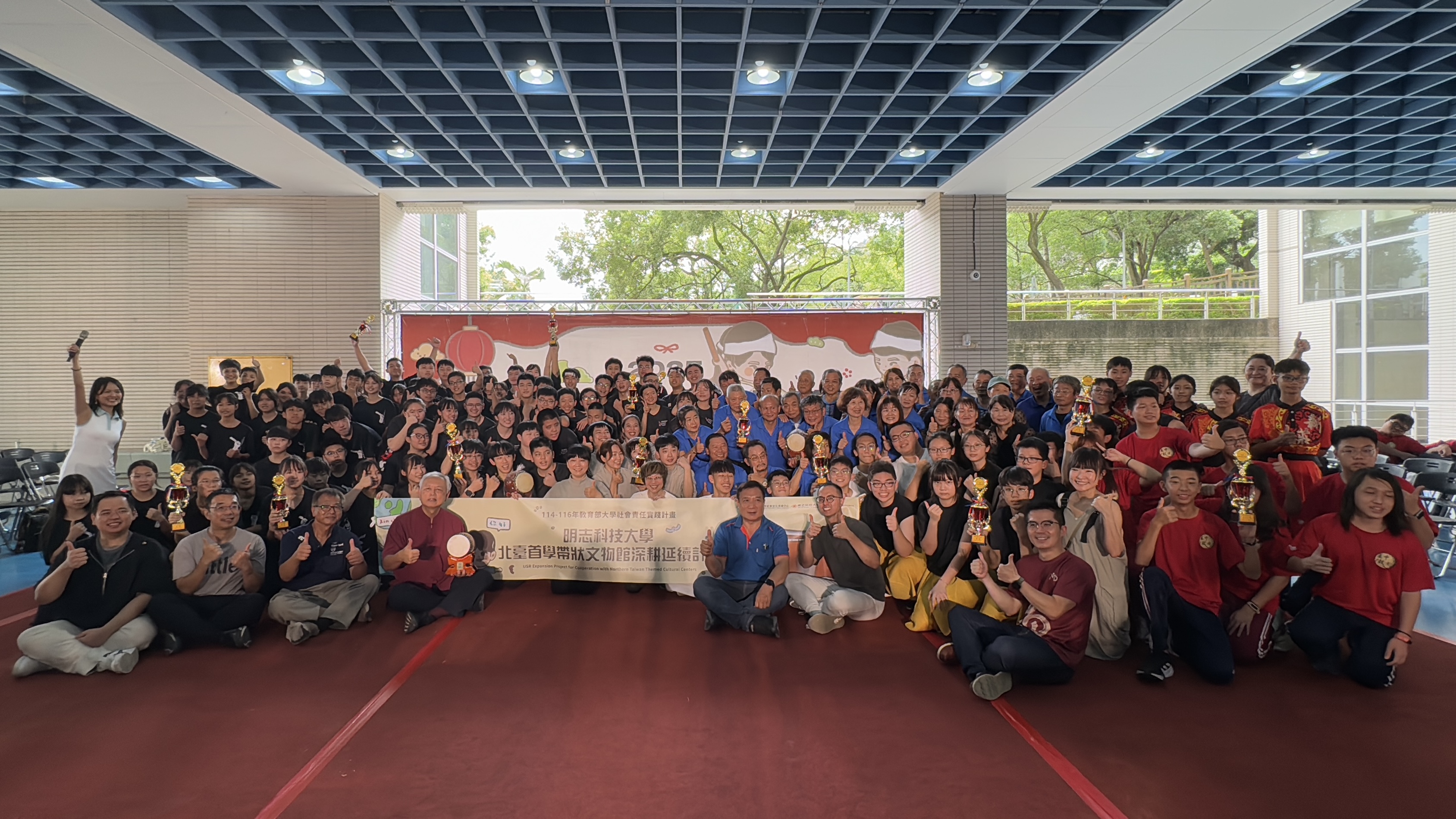
Through the “Northern Taiwan’s First Academy Cultural Heritage Corridor” project, MCUT has connected local cultural sites, including Ming Chi Academy and Ding Taishan Temple, and organized cultural tours, educational outreach programs, and community-based learning activities to promote cultural preservation and local revitalization. On campus, MCUT has continued to conduct biodiversity surveys and restore endangered aquatic plants, developing a sustainable campus that integrates teaching, research, and ecological conservation.
In addition to receiving international recognition for its research achievements, MCUT has also demonstrated strong performance in talent development and social responsibility. For SDG 8, “Decent Work and Economic Growth,” MCUT ranked in the global 201–300 band.
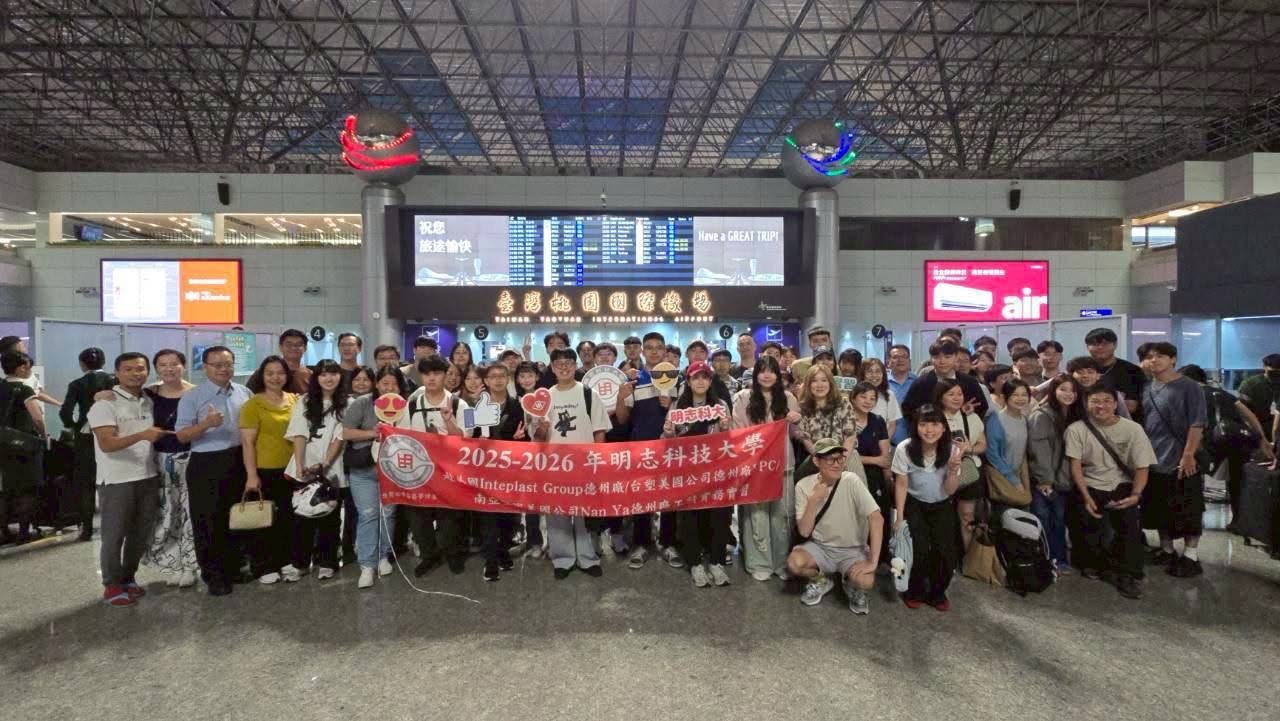
MCUT has long implemented its nationally recogni MCUT has long implemented its nationally recognized junior-year cooperative education and internship program, enabling students to gain practical workplace experience before graduation. Through career exploration programs, corporate recruitment activities, campus career fairs, and overseas internships, MCUT continues to strengthen students’ employability and international mobility.
MCUT President Tsu-Hua Liu stated that the University’s substantial rise in the overall rankings, together with SDG 9 entering the global top 100 for the first time, reflects the long-term commitment of faculty members, students, and staff to research innovation, industry–academia collaboration, and sustainable practices.
Looking ahead, MCUT will continue to strengthen its research and development capacity, expand partnerships with industry and international institutions, and enhance its social and industrial impact through innovative teaching, community engagement, and sustainability governance. MCUT remains committed to becoming an internationally competitive model university for sustainable development.