Land, rivers and shared responsibility—learning through action.
Care for the land.Protect what connects us.
From Soil Analysis to Landscape Stewardship
College of Environment and Resources
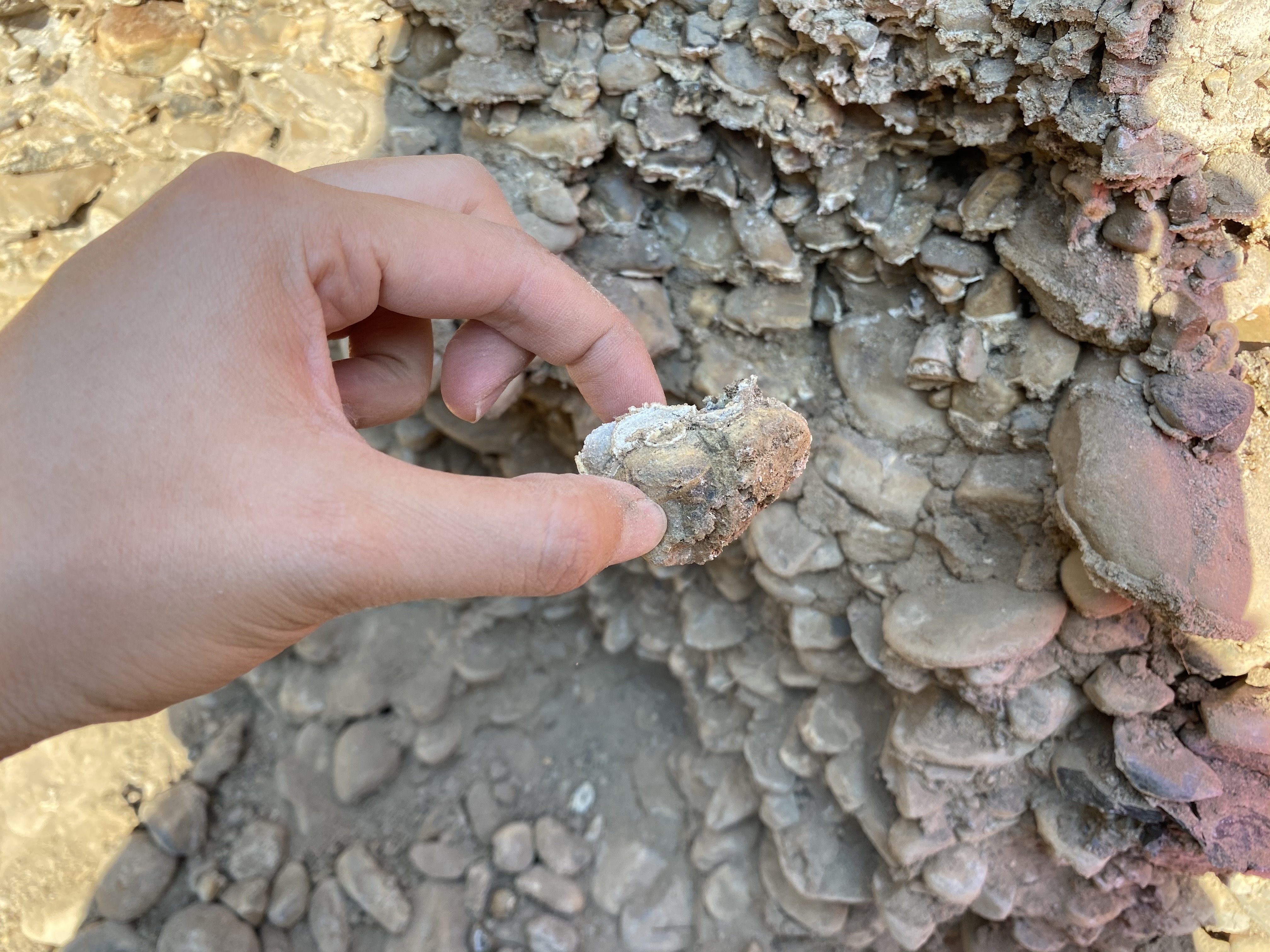
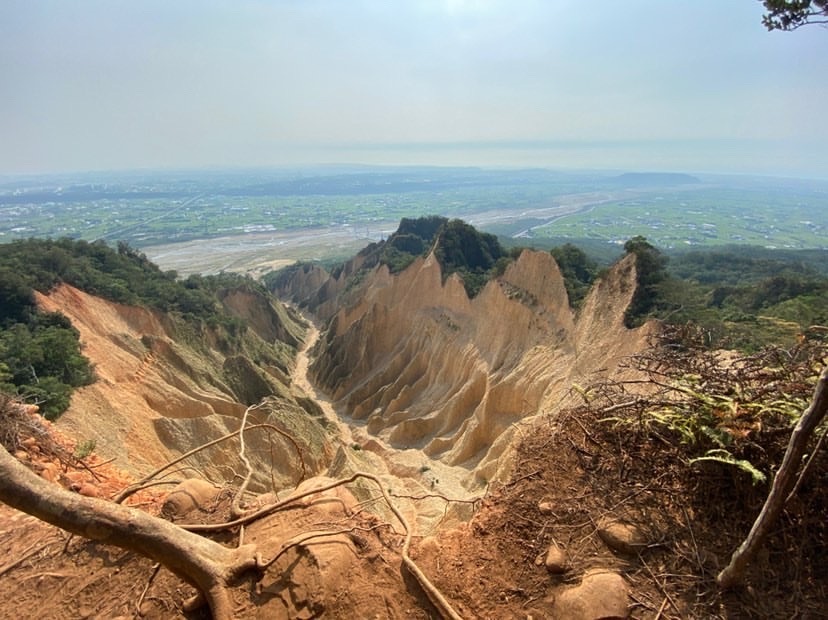
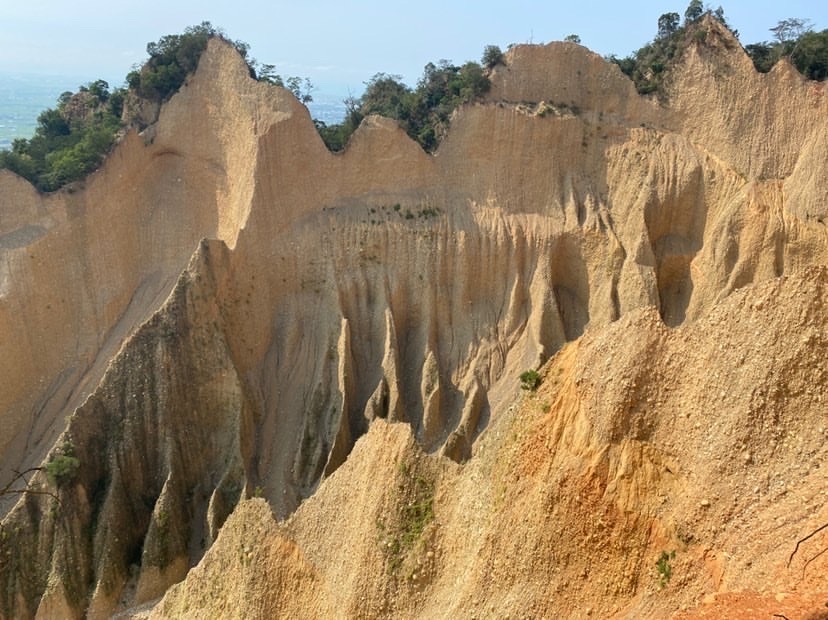
At Huoyanshan Nature Reserve in Sanyi, Miaoli, the Forestry and Nature Conservation Agency protects a distinctive landscape through the nature reserve system. Exposed rock, heavy rainfall erosion and sparse vegetation characterize the site. In MCUT’s master’s program in Environmental and Safety and Health Engineering, the Soil Chemistry course introduces students to these conglomerate badlands. Loosely cemented gravel, steep ridges and dense gullies allow heavy rain and typhoons to rapidly carve bare slopes and cause slope retreat. As topsoil and fine particles wash away, vegetation struggles to establish, while suspended sediment and nutrients move downstream, affecting habitat connectivity and water quality.
To turn observations of erosion into measurements of degradation, the course introduces soil survey and classification. Students examine soil profiles and distinguish horizons by color, structure, stone content and roots. They measure pH, electrical conductivity, carbonate reactions and soluble nitrate and phosphate, then explore the chemistry of weathering, leaching, oxidation–reduction and nutrient movement. The course also addresses the Food and Agriculture Organization’s warning that erosion weakens soil infiltration, water storage and support for biodiversity.
Moving from landscape observation to soil profile analysis, the course supports SDG target 15.3 on land degradation neutrality: preventing further degradation while restoring and managing land to offset unavoidable losses. Students discuss low-impact drainage and erosion control, protection of existing vegetation and ground cover, and monitoring through fixed-point photography and repeat soil profile surveys. Analyses of pH, conductivity, soil organic matter and cation exchange capacity help assess acidity, nutrient retention and degradation. By translating classroom analysis into practical stewardship, students help safeguard a more stable land base for terrestrial habitats and future generations.

Protecting Rivers Through the Sustainability Transition
University Social Responsibility (USR) Project
Reports from international organizations, including the UN Environment Programme and the US National Oceanic and Atmospheric Administration, indicate that about 80% of marine debris originates on land; the rest comes from activities at sea. Marine debris occurs on the seabed, at the sea surface and along coasts. Beach cleanups remove coastal litter, while seabed cleanups require vessels and divers. Ocean currents concentrate floating waste in areas such as the Great Pacific Garbage Patch, which covers approximately 1.6 million km²—about 40 times Taiwan’s land area. Ingestion, entanglement, habitat damage and chemical pollution affect more than 260 marine species. Microplastics also enter food chains, creating lasting ecosystem impacts.
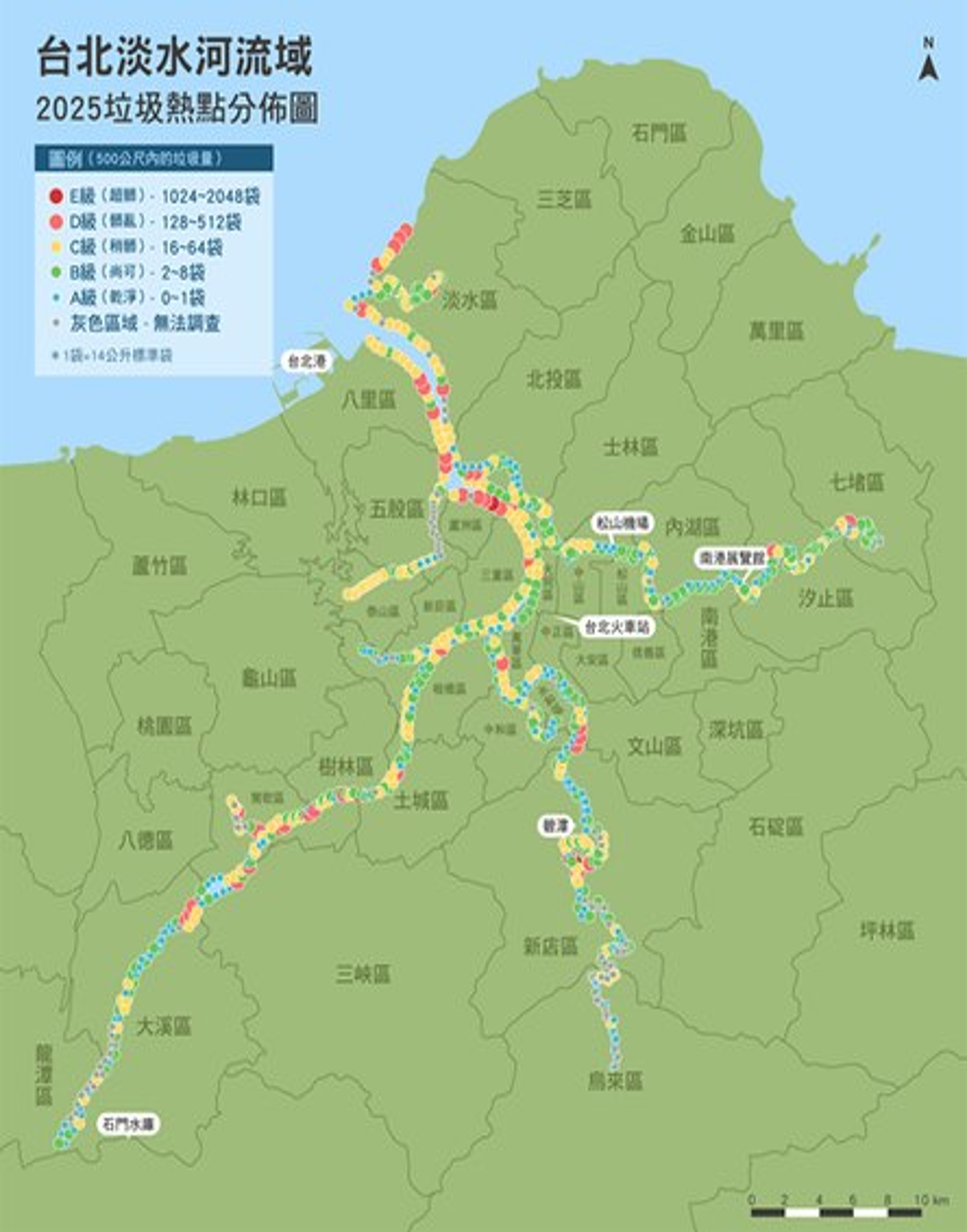
Removing marine debris is difficult, but stopping land-based waste from reaching the ocean through rivers is possible. MCUT joined the Society of Wilderness’s Tamsui River waste screening survey in 2023. In 2024, it partnered with the Society and New Taipei City Government to trace waste sources across the basin. The 2025 survey covered 353.5 km of riverbanks along the Dahan, Xindian, Keelung and Tamsui rivers, and the Dake, Nanshi, Yingge, Wayao, Shibafenkeng and Gongsitian streams. It recorded 339,955 liters of waste; the published survey reports an average of 78.7 bags per kilometer using 14-liter bags. Single-use food and beverage plastics, including bottles, bags and cups, accounted for about 60%. These results show continued dependence on disposables and the need for government, business and public action toward a circular society.
In December 2025, MCUT, New Taipei City’s Environmental Protection Department and the Society agreed to pilot a riverbank waste interception mechanism. Waste hotspots would be reported promptly to public agencies, with coordinated removal across Taipei, New Taipei, Keelung and Taoyuan. Regular follow-up would track changes in waste quantities and inform further action. Linking cross-sector partnerships with university social responsibility, the project brings place-based research and action into Tamsui River basin governance.
Until Taiwan completes its transition to a sustainable economy, waste interception mechanisms are needed along its 26 major rivers to slow the growth of marine debris. MCUT integrates river and ocean issues into field-based courses and USR projects, bringing faculty and students together to protect the Tamsui basin. Future work will combine interdisciplinary collaboration, environmental monitoring and hands-on learning with drones and remotely operated boats, helping younger generations participate in watershed governance and protect marine ecosystems. Interested faculty and students may contact the project office.