Science, resources and mobility—turning climate knowledge into action.
Rethink carbon.Move toward net zero.
Converting Greenhouse Gases into Useful Resources
College of Environment and Resources
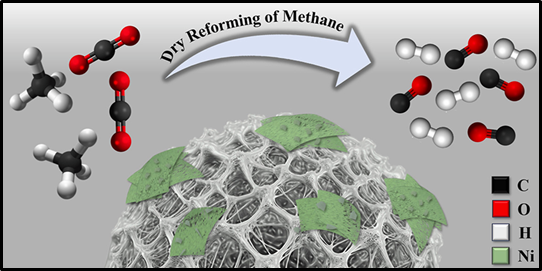
MCUT’s research addresses a central challenge of SDG 13, Climate Action: reducing greenhouse-gas emissions while maintaining energy supplies. Dry reforming of methane (DRM) attracts growing interest because it converts methane and carbon dioxide, two major greenhouse gases, into valuable synthesis gas.
Methane has a high global warming potential, while carbon dioxide is the main greenhouse gas emitted by human activities. Releasing these gases into the atmosphere intensifies warming. DRM offers a route for returning them to the energy cycle as useful feedstocks.
Methane and carbon dioxide from oil refining, natural-gas systems, steelmaking and waste treatment can serve directly as reaction inputs. This approach turns industrial emission sources into suppliers of carbon resources. It offers potential to reduce emissions while producing synthesis gas and hydrogen, with further processing yielding methanol and synthetic fuels. These applications support the chemical industry’s transition towards lower-carbon production.
DRM combines chemical conversion with an approach to climate action that treats greenhouse gases as resources. Its potential for emissions reduction, energy circulation and industrial transformation could contribute to the global transition towards net-zero emissions.
Climate Science, Net Zero by 2050 and Intelligent Electric Transport
Intelligent Vehicle Research and Development Center
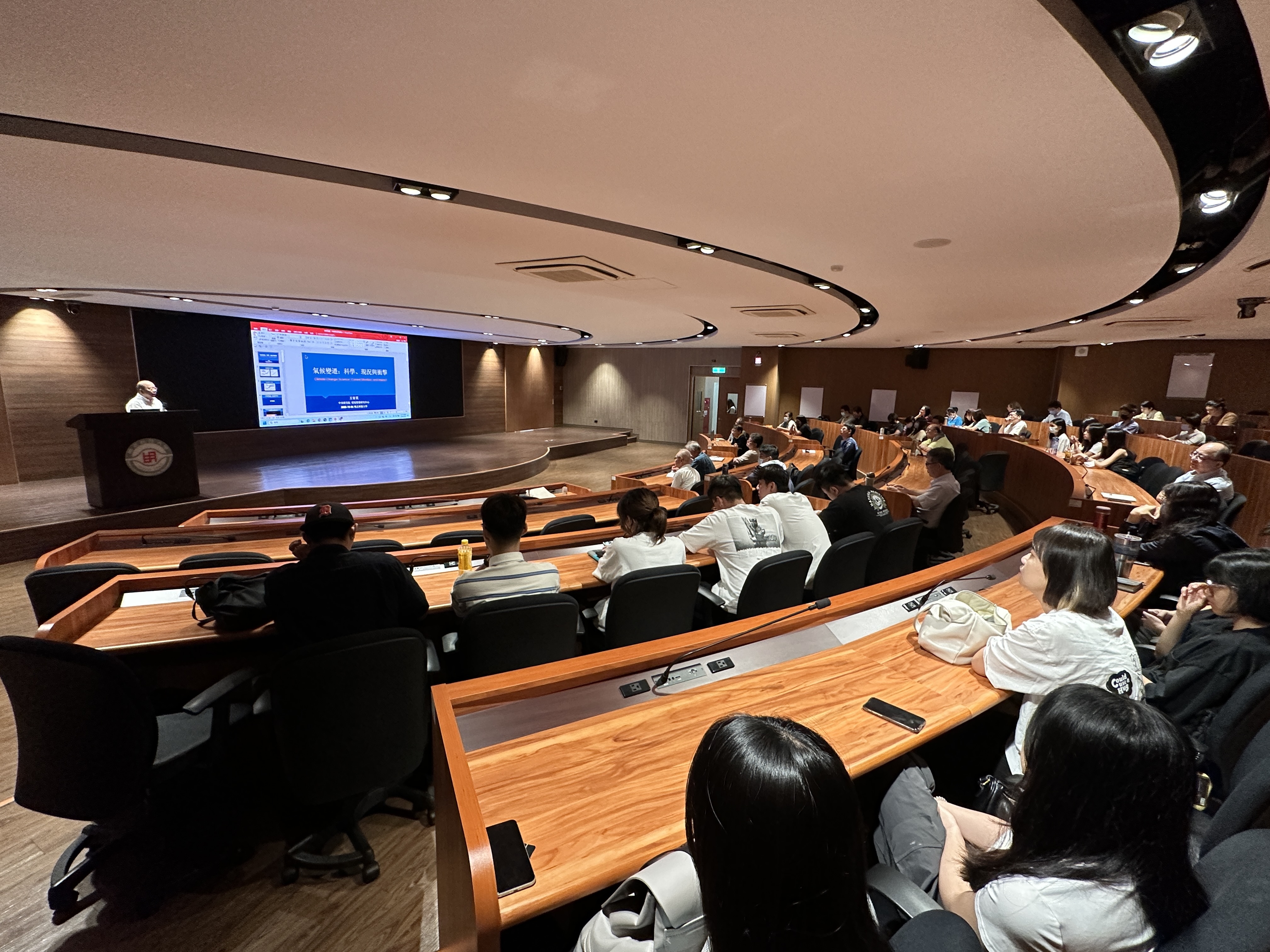
MCUT’s Intelligent Vehicle Research and Development Center hosted the lecture “Climate Change: Science, Current Conditions and Impacts” on 6 October 2023. Academia Sinica Academician Pao K. Wang spoke to more than 70 faculty members, staff and students. The lecture strengthened scientific understanding of climate change and net-zero emissions, explaining the causes and trends of global warming and its implications for the environment and society.
Climate Science and Electric Transport (continued)
The lecture began by distinguishing weather from climate. Academician Wang explained the factors that drive changes in the climate system, including greenhouse-gas concentrations, human activities and natural variability. Long-term observations from Taiwan provided a basis for discussing regional trends and future climate scenarios.
He described the shared goal of reaching net-zero emissions by 2050 to limit climate impacts. For Taiwan, forward-looking policies, technological innovation and interdisciplinary cooperation can accelerate the energy transition and support a low-carbon society while maintaining competitiveness.
The lecture also examined the role of transport electrification in the net-zero transition. It discussed policy directions to increase the use of electric buses and government vehicles, alongside the goal of ending sales of new fossil-fuel vehicles by 2040.
Within this context, the center focuses on developing its own electric commercial trucks. Its research strengthens the integration, testing and validation of electric vehicles, vehicle batteries and complete vehicle systems. University–industry cooperation and technological innovation help advance electric-vehicle development and provide transport solutions with lower environmental and carbon impacts.
The event deepened understanding of climate change and sustainability across the campus and encouraged greater engagement with net-zero goals and intelligent transport technologies. Scientific dialogue and interdisciplinary exchange help translate this understanding into action. The lecture supports SDG 13 and demonstrates MCUT’s educational and research contributions to a more sustainable, low-carbon future.